How to Build a Resilient Investment Portfolio
Strategies and tips for constructing an investment portfolio that can withstand market fluctuations and economic downturns.
Strategies and tips for constructing an investment portfolio that can withstand market fluctuations and economic downturns.
How to Build a Resilient Investment Portfolio
Hey there! Ever feel like the market is a rollercoaster? One day it's up, the next it's down, and your stomach is doing flips right along with it. Building a resilient investment portfolio is all about making sure your financial ride is less like a thrill ride and more like a smooth cruise, even when the road gets bumpy. We're talking about creating a portfolio that can weather storms, bounce back from dips, and keep you on track for your long-term financial goals. It's not about avoiding all risk – that's impossible in investing – but about managing it smartly so you can sleep soundly at night.
Understanding Portfolio Resilience and Risk Management
So, what exactly is a 'resilient' portfolio? Think of it like a well-built house. It's designed to stand strong against various elements – wind, rain, even a minor earthquake. In investing, resilience means your portfolio can absorb market shocks, recover efficiently, and continue to grow over time. This isn't just about diversification, though that's a huge part of it. It's also about understanding your risk tolerance, having a clear investment strategy, and making informed decisions about where your money goes.
Risk management is the backbone of resilience. It's about identifying potential threats to your investments and putting strategies in place to mitigate them. This could be anything from market volatility and inflation to interest rate changes and geopolitical events. A truly resilient portfolio considers these factors and builds in safeguards.
Diversification Your Key to a Strong Portfolio
Diversification is probably the most talked-about strategy in investing, and for good reason. It's like the old saying: don't put all your eggs in one basket. By spreading your investments across different asset classes, industries, and geographies, you reduce the impact of a poor performance in any single area. If one part of your portfolio takes a hit, other parts might be performing well, balancing things out.
Asset Class Diversification Stocks Bonds Real Estate
Let's break down asset classes. The big three are stocks, bonds, and real estate. Stocks (equities) generally offer higher growth potential but come with more volatility. Bonds (fixed income) are typically less volatile and provide a steady income stream, acting as a cushion during market downturns. Real estate can offer both income and appreciation, but it's less liquid. A resilient portfolio usually has a mix of these, tailored to your age and risk appetite. For example, a younger investor might lean more towards stocks, while someone closer to retirement might favor a higher allocation to bonds.
Geographic Diversification Global Markets
Don't just stick to your home country! Global diversification means investing in companies and markets around the world. Different economies perform differently at various times. If the US market is struggling, perhaps emerging markets in Southeast Asia are booming. This global spread helps smooth out returns and reduces your exposure to the risks of any single country's economy.
Industry Sector Diversification Technology Healthcare Energy
Within stocks, diversifying across different industries or sectors is crucial. Think about it: if you're heavily invested in tech and there's a tech downturn, your portfolio could suffer significantly. Spreading your investments across sectors like technology, healthcare, consumer staples, energy, and financials means that if one sector is struggling, another might be thriving, providing a buffer.
Strategic Asset Allocation and Rebalancing
Once you've diversified, you need a plan for how much to allocate to each asset class – that's asset allocation. This isn't a set-it-and-forget-it kind of deal. Your ideal allocation will change over time based on your age, financial goals, and risk tolerance. A common rule of thumb is the '110 minus your age' rule for stock allocation (e.g., if you're 30, 110-30 = 80% in stocks). But remember, this is just a guideline, and your personal situation matters most.
Rebalancing is the act of adjusting your portfolio back to your target asset allocation. Over time, some investments will perform better than others, causing your portfolio to drift from its original targets. For example, if stocks have had a great run, they might now represent a larger percentage of your portfolio than you initially intended. Rebalancing involves selling some of your overperforming assets and buying more of your underperforming ones to get back to your desired mix. This disciplined approach helps you 'buy low and sell high' automatically and keeps your risk level consistent.
Quality Over Quantity Investing in Strong Companies
While diversification is about spreading your bets, it's also important to bet on quality. Investing in strong, fundamentally sound companies is a cornerstone of a resilient portfolio. Look for companies with solid balance sheets, consistent earnings, competitive advantages, and experienced management teams. These are the companies that are more likely to weather economic storms and continue to grow over the long term.
Fundamental Analysis Key Metrics
When we talk about 'strong companies,' we're looking at fundamental analysis. This means digging into a company's financial health. Key metrics include:
- Revenue Growth: Is the company consistently growing its sales?
- Profit Margins: How much profit does the company make from its sales? Higher margins often indicate efficiency and pricing power.
- Debt-to-Equity Ratio: How much debt does the company have compared to its equity? Lower is generally better.
- Cash Flow: Is the company generating enough cash from its operations? Strong cash flow is vital for sustainability.
- Return on Equity (ROE): How efficiently is the company using shareholders' money to generate profits?
You don't need to be a financial analyst, but understanding these basics helps you pick better investments.
Considering Defensive Investments and Alternative Assets
To further enhance resilience, consider including defensive investments and, for some, alternative assets. Defensive investments are those that tend to perform relatively well during economic downturns. Alternative assets can offer diversification beyond traditional stocks and bonds.
Defensive Stocks Utilities Consumer Staples
Defensive stocks are from industries that provide essential goods and services, meaning demand for them remains relatively stable regardless of the economic climate. Think utilities (electricity, water), consumer staples (food, household products), and healthcare. People still need to eat, use electricity, and go to the doctor, even during a recession. These stocks might not offer explosive growth, but they provide stability and often pay consistent dividends.
Alternative Assets Real Estate Commodities Private Equity
Alternative assets are a bit more advanced and might not be for everyone, but they can offer unique diversification benefits. These include:
- Real Estate: Beyond direct property ownership, you can invest in Real Estate Investment Trusts (REITs), which are companies that own, operate, or finance income-producing real estate. They offer exposure to real estate without the hassle of being a landlord.
- Commodities: Gold, silver, oil, and agricultural products. Gold, in particular, is often seen as a safe haven during economic uncertainty.
- Private Equity/Venture Capital: Investing in private companies. This is typically for accredited investors due to high risk and illiquidity, but it offers exposure to high-growth potential outside public markets.
- Hedge Funds: These use a variety of strategies to generate returns, often aiming for absolute returns regardless of market conditions. Again, usually for sophisticated investors.
For most individual investors, REITs and perhaps a small allocation to gold via an ETF are the most accessible alternative options.
Long-Term Perspective and Emotional Discipline
Perhaps the most crucial element of a resilient portfolio isn't about what you invest in, but how you invest. Maintaining a long-term perspective and exercising emotional discipline are paramount. Markets will always have ups and downs. Reacting impulsively to every dip or surge is a surefire way to undermine your financial goals.
Avoiding Market Timing Staying Invested
Trying to 'time the market' – buying at the absolute bottom and selling at the absolute top – is a fool's errand. Even professional investors struggle with it. The most successful strategy for long-term growth is often to stay invested, consistently contributing to your portfolio, and riding out the short-term fluctuations. Time in the market beats timing the market.
Dollar-Cost Averaging Consistent Contributions
Dollar-cost averaging is a fantastic strategy for building resilience. This means investing a fixed amount of money at regular intervals (e.g., $100 every month), regardless of whether the market is up or down. When prices are high, your fixed amount buys fewer shares; when prices are low, it buys more shares. Over time, this averages out your purchase price and reduces the risk of investing a large sum at an unfavorable time. It's a disciplined, hands-off way to build wealth.
Tools and Platforms for Building Your Resilient Portfolio
Now, let's talk about some practical tools and platforms that can help you build and manage your resilient portfolio. These range from DIY brokerage accounts to automated robo-advisors.
Robo-Advisors Automated Portfolio Management
Robo-advisors are a great starting point, especially for beginners or those who prefer a hands-off approach. They use algorithms to build and manage diversified portfolios based on your risk tolerance and financial goals. They automatically rebalance your portfolio and often offer tax-loss harvesting. Here are a few popular ones:
- Betterment: Known for its user-friendly interface, goal-based investing, and automatic rebalancing. They offer diversified portfolios of ETFs (Exchange Traded Funds) across various asset classes. Fees are typically around 0.25% of assets under management (AUM) annually. Minimum to start is $0.
- Wealthfront: Similar to Betterment, Wealthfront also focuses on automated investing with a strong emphasis on tax-loss harvesting, which can save you money on taxes. They also offer a high-yield cash account. Fees are also around 0.25% AUM annually. Minimum to start is $500.
- Fidelity Go: A good option if you already have accounts with Fidelity. It offers automated investing with no advisory fee for balances under $25,000. For balances over that, it's 0.35% AUM annually. Minimum to start is $0.
Comparison: Betterment and Wealthfront are pure-play robo-advisors, offering a streamlined experience. Fidelity Go integrates well if you prefer a traditional brokerage with a robo-option. All three provide diversified ETF portfolios, but their specific ETF choices and tax-loss harvesting methodologies might differ slightly. Betterment and Wealthfront generally have lower minimums and slightly lower fees for larger balances compared to some traditional advisors.
Online Brokerages DIY Investing
If you prefer to have more control and pick your own investments, an online brokerage account is your go-to. These platforms allow you to buy and sell stocks, ETFs, mutual funds, and bonds. They require more active management on your part, but offer greater flexibility. Here are some top choices:
- Charles Schwab: A long-standing, reputable brokerage with a wide range of investment products, excellent research tools, and strong customer service. They offer commission-free trading for US stocks and ETFs. No minimum to open an account.
- Fidelity: Another industry giant, Fidelity offers a vast selection of investment options, including their own low-cost index funds and ETFs. Their research and educational resources are top-notch. Commission-free trading for US stocks and ETFs. No minimum to open an account.
- Vanguard: Famous for its low-cost index funds and ETFs, Vanguard is a favorite among long-term investors. While their platform might not be as flashy as others, their commitment to low costs is a huge advantage. Commission-free trading for Vanguard ETFs. Minimums apply for some mutual funds (e.g., $3,000 for many index funds).
- Interactive Brokers (IBKR): Geared more towards active traders and sophisticated investors, IBKR offers a vast array of global investment products and very competitive margin rates. Their platform can be complex for beginners. No minimum to open an account, but inactivity fees might apply for smaller balances.
Comparison: Schwab and Fidelity are excellent all-rounders for most investors, offering a balance of features, research, and low costs. Vanguard is ideal if you're primarily interested in low-cost index funds. Interactive Brokers is best for experienced investors who need access to a wide range of international markets and advanced trading tools. For beginners, Schwab and Fidelity often provide a more intuitive experience.
Investment Apps Mobile First Investing
For those who prefer to manage their investments on the go, several mobile-first investment apps have emerged. These often simplify the investing process and make it accessible from your smartphone.
- Acorns: This app rounds up your everyday purchases to the nearest dollar and invests the spare change into diversified portfolios of ETFs. It's a great way to start investing small amounts without even thinking about it. Monthly fees range from $3 to $9, depending on the plan. Minimum to start is $0.
- Robinhood: Popular for its commission-free stock, ETF, and options trading. Robinhood has a very clean and easy-to-use interface, making it appealing to new investors. However, it offers fewer research tools compared to traditional brokerages. No minimum to open an account.
- M1 Finance: Combines elements of robo-advisors and traditional brokerages. You can build custom portfolios (called 'Pies') of stocks and ETFs, and M1 Finance automatically invests new deposits and rebalances your portfolio according to your chosen allocations. No management fees for investing. Minimum to start is $100.
Comparison: Acorns is perfect for micro-investing and automating savings. Robinhood is great for active trading of individual stocks and ETFs with a simple interface, but be mindful of its limited research. M1 Finance offers a unique blend of automation and customization, allowing you to build your own diversified portfolio and have it managed automatically without advisory fees.
Final Thoughts on Building Resilience
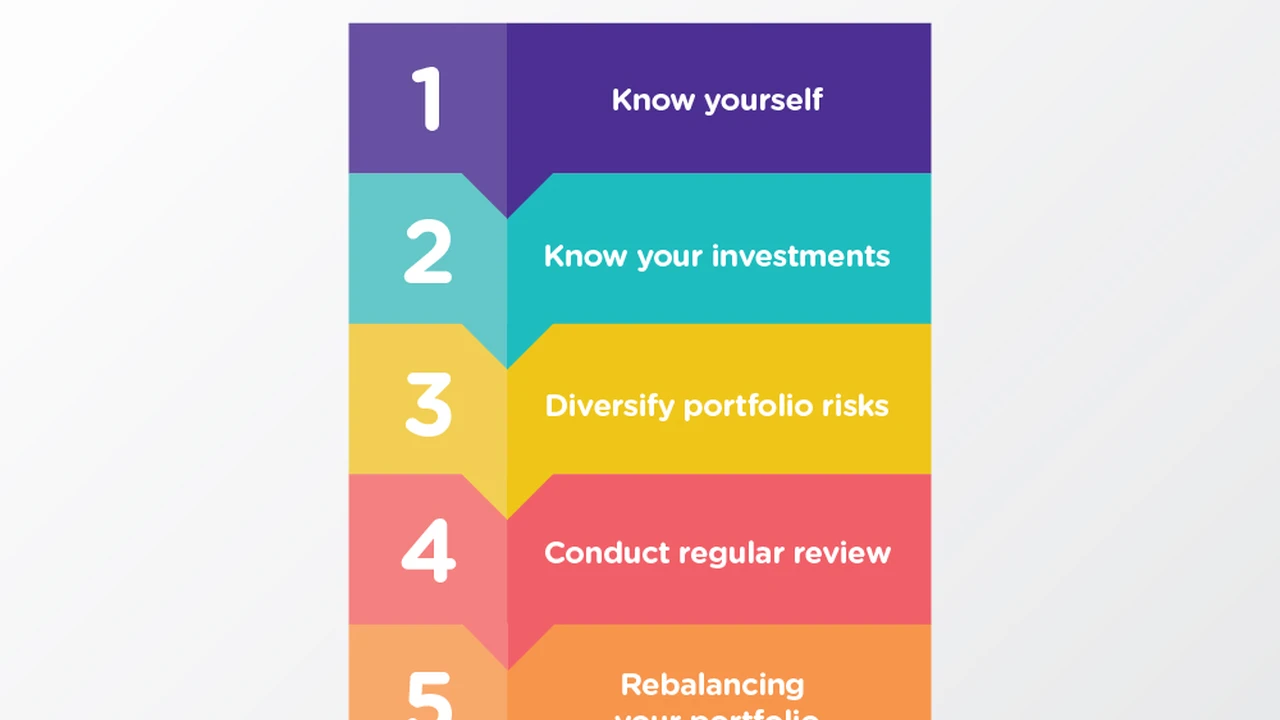
Building a resilient investment portfolio isn't a one-time event; it's an ongoing process. It requires understanding your financial goals, assessing your risk tolerance, and consistently applying sound investment principles. Diversification across asset classes, geographies, and industries is fundamental. Strategic asset allocation and regular rebalancing keep your portfolio aligned with your objectives. Focusing on quality investments and maintaining a long-term perspective, coupled with emotional discipline, will help you navigate market volatility. Whether you choose a hands-off robo-advisor or a more active DIY approach with an online brokerage, the key is to start early, stay consistent, and adapt your strategy as your life and the market evolve. Your future self will thank you for building a portfolio that can stand the test of time.
:max_bytes(150000):strip_icc()/277019-baked-pork-chops-with-cream-of-mushroom-soup-DDMFS-beauty-4x3-BG-7505-5762b731cf30447d9cbbbbbf387beafa.jpg)