How to Invest in Gold and Precious Metals
Practical guidance on how to invest in gold and other precious metals as a hedge against inflation and market volatility.
Practical guidance on how to invest in gold and other precious metals as a hedge against inflation and market volatility.
How to Invest in Gold and Precious Metals
Understanding Gold and Precious Metals as Investments
So, you're thinking about putting some of your hard-earned money into gold or other precious metals? That's a smart move for many, especially if you're looking to diversify your portfolio, hedge against inflation, or simply have a tangible asset. Gold, silver, platinum, and palladium have long been considered safe-haven assets, meaning they tend to hold their value, or even increase, during times of economic uncertainty or market volatility. But how exactly do you go about investing in them? It's not as simple as just buying a gold bar, though that is one option! There are several avenues, each with its own pros, cons, and considerations.
Before we dive into the 'how,' let's quickly touch on the 'why.' Why do people invest in precious metals? Historically, they've been seen as a store of value. When currencies devalue, or inflation eats away at purchasing power, gold often shines. It's also a tangible asset, unlike stocks or bonds which are essentially promises. You can hold it, touch it, and it doesn't rely on a company's performance or a government's stability. This makes it appealing to those who prefer a more 'real' asset in their portfolio. Plus, global demand for these metals, especially in industries like electronics and jewelry, provides a baseline for their value.
Direct Ownership Physical Gold and Silver
The most straightforward way to invest in precious metals is to buy them physically. This means owning actual gold bars, coins, or silver bullion. It's the classic approach, and for many, it offers a sense of security and control. When you own physical metal, you're not relying on a third party to hold your asset; it's literally in your hands (or a secure vault). This can be particularly appealing during times of extreme economic instability.
Buying Gold and Silver Bullion Coins and Bars
When it comes to physical gold and silver, you'll typically encounter two main forms: coins and bars (also known as bullion). Coins like the American Gold Eagle, Canadian Gold Maple Leaf, or South African Krugerrand are popular choices. They are often recognized globally and can be easier to buy and sell in smaller denominations. Bars, on the other hand, come in various sizes, from small grams to large kilobars. They generally have lower premiums over the spot price of the metal compared to coins, making them more cost-effective for larger investments.
Where can you buy these? Reputable dealers are your best bet. Online dealers like JM Bullion, SD Bullion, and APMEX are well-known and offer a wide selection. They provide secure shipping and often have competitive pricing. For example, a 1 oz American Gold Eagle coin from JM Bullion might cost around $2,100-$2,200 depending on the current spot price of gold, plus a small premium. A 10 oz silver bar from SD Bullion could be in the range of $250-$280. Always compare prices across different dealers and check their reputation and customer reviews before making a purchase.
Storage Solutions for Physical Precious Metals
Once you own physical gold or silver, storage becomes a critical consideration. You have a few options:
- Home Safe: For smaller quantities, a high-quality home safe can work. However, it's crucial to ensure it's fireproof, waterproof, and securely bolted down. Remember, your home insurance might not cover large amounts of precious metals, so check your policy.
- Bank Safe Deposit Box: This is a popular choice for many. It offers a high level of security and protection from theft and fire. The annual cost for a safe deposit box can range from $50 to $300, depending on the size and bank. However, access is limited to bank hours, and the contents are not FDIC insured.
- Third-Party Vault Storage: Companies like Brinks, Loomis, or specialized precious metals depositories offer secure, insured storage solutions. This is often the preferred method for larger investments. For instance, Delaware Depository, a well-known vault, might charge around 0.5% to 1% of the metal's value annually for storage and insurance. This option provides professional security and often allows for easier buying and selling without physically moving the metal.
When choosing a storage solution, consider the value of your holdings, your comfort level with risk, and the accessibility you require. Always ensure your chosen storage method is insured against theft and damage.
Indirect Investment Gold and Silver ETFs
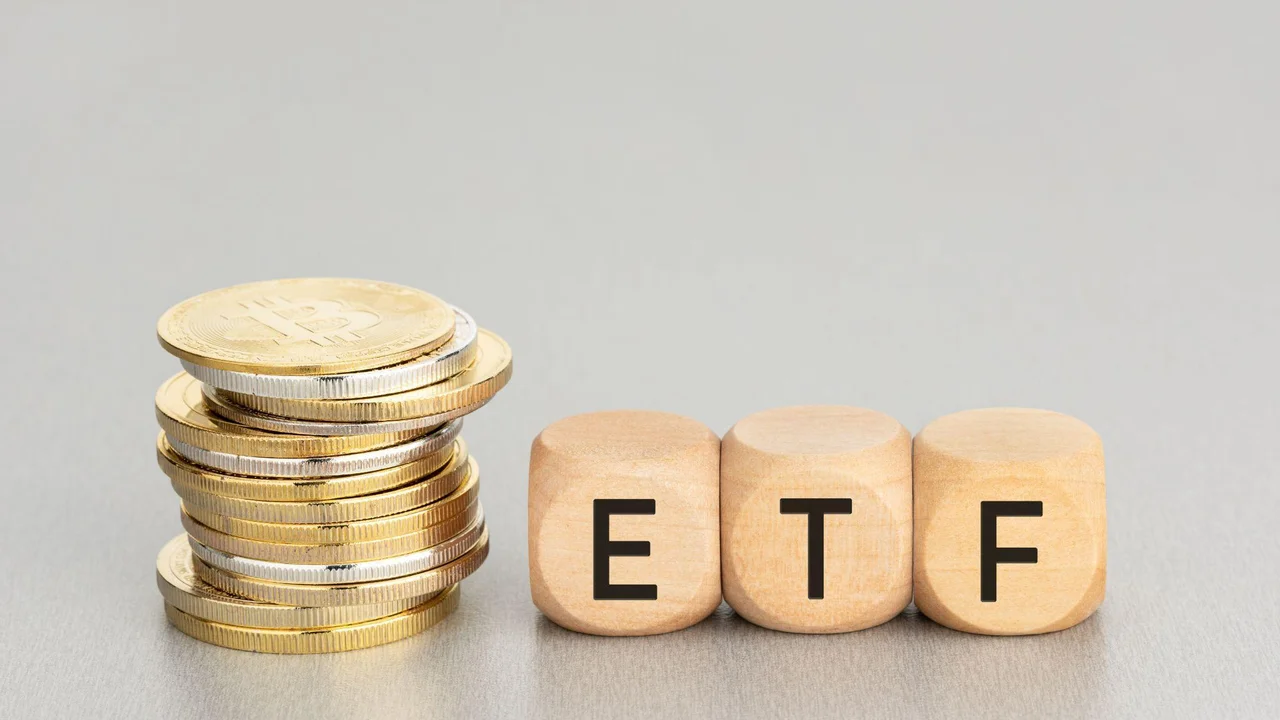
If the idea of storing physical gold or silver doesn't appeal to you, or you prefer a more liquid investment, Exchange Traded Funds (ETFs) that track the price of precious metals are an excellent alternative. These are investment funds that trade on stock exchanges, much like individual stocks. They hold physical gold or silver on behalf of their investors, and the value of the ETF shares fluctuates with the price of the underlying metal.
Popular Gold ETFs and Their Features
The most popular gold ETF is the SPDR Gold Shares (GLD). It's designed to track the price of gold, and each share represents a fractional ownership in a specific amount of physical gold held in a vault. GLD is highly liquid, meaning it's easy to buy and sell, and it's widely recognized. Its expense ratio (the annual fee you pay) is around 0.40%.
Another prominent gold ETF is the iShares Gold Trust (IAU). Similar to GLD, IAU also holds physical gold. It often has a slightly lower expense ratio, typically around 0.25%, making it a more cost-effective option for some investors. Both GLD and IAU are excellent choices for gaining exposure to gold's price movements without the hassle of physical storage.
Silver ETFs and Their Investment Profiles
For silver, the leading ETF is the iShares Silver Trust (SLV). Like its gold counterpart, SLV aims to reflect the price of silver by holding physical silver bullion. Its expense ratio is usually around 0.50%. Silver can be more volatile than gold, so while it offers higher potential returns, it also comes with higher risk. SLV provides a convenient way to invest in silver without dealing with the physical metal.
When considering ETFs, remember that you don't own the physical metal directly. You own shares in a fund that owns the metal. This means you avoid storage costs and can trade them easily through a brokerage account. However, you are exposed to counterparty risk (the risk that the fund issuer might default) and tracking error (the ETF's performance might not perfectly match the underlying metal's price).
Mining Stocks and Precious Metal Companies
Another indirect way to invest in precious metals is by buying shares in companies that mine or process them. This approach offers a different risk-reward profile compared to direct metal ownership or ETFs. When you invest in a mining stock, you're not just betting on the price of gold or silver; you're also investing in the company's management, operational efficiency, and exploration success.
Top Gold Mining Stocks to Consider
Some of the largest and most well-established gold mining companies include:
- Barrick Gold (GOLD): One of the world's largest gold mining companies, with operations across multiple continents. Barrick is known for its strong balance sheet and diversified portfolio of mines. Their stock price is influenced by gold prices but also by their production costs, new discoveries, and geopolitical stability in their operating regions.
- Newmont Corporation (NEM): Another global leader in gold production, Newmont has a long history and a strong focus on sustainable mining practices. They often pay dividends, which can be attractive to income-focused investors.
- Agnico Eagle Mines (AEM): A Canadian-based gold producer with a focus on high-quality, low-cost operations. Agnico Eagle is often praised for its strong management team and consistent performance.
Investing in mining stocks can offer leverage to the price of gold. If the price of gold goes up, a mining company's profits can increase significantly, leading to a disproportionately higher rise in its stock price. However, the reverse is also true. Mining stocks also carry operational risks, such as labor disputes, environmental regulations, and geological challenges.
Silver Mining Companies and Their Market Dynamics
For silver, some notable mining companies include:
- Pan American Silver (PAAS): A major silver producer with mines primarily in Latin America. Pan American Silver is also involved in gold production, providing some diversification.
- Wheaton Precious Metals (WPM): This is a streaming and royalty company, not a direct miner. They provide upfront financing to mining companies in exchange for a percentage of their future production at a fixed, low cost. This model offers exposure to precious metals prices with less operational risk than direct mining.
Silver mining companies can be even more volatile than gold miners due to silver's dual role as both a precious metal and an industrial metal. Its price is influenced by both investment demand and industrial demand (e.g., in solar panels, electronics). This can lead to larger price swings.
Precious Metals Futures and Options
For more experienced investors, futures contracts and options on precious metals offer a way to speculate on price movements or hedge existing positions. These are complex financial instruments and are generally not recommended for beginners due to their high risk and leverage.
Understanding Gold Futures Contracts
A gold futures contract is an agreement to buy or sell a specific quantity of gold at a predetermined price on a future date. For example, you might buy a contract for 100 troy ounces of gold to be delivered in three months at a price of $2,000 per ounce. If the price of gold rises to $2,100 before the contract expires, you profit. If it falls, you lose. Futures are highly leveraged, meaning a small price movement can lead to significant gains or losses.
Futures contracts are traded on exchanges like the COMEX (part of the CME Group). You'll need a specialized brokerage account that allows futures trading. The margin requirements (the amount of money you need to put up to control a contract) can be substantial, and you can lose more than your initial investment.
Options on Precious Metals for Hedging and Speculation
Options give you the right, but not the obligation, to buy (call option) or sell (put option) a precious metal at a specific price (strike price) before a certain date. For example, you could buy a call option on GLD. If GLD's price goes above your strike price, your option becomes profitable. Options are less risky than futures because your maximum loss is limited to the premium you pay for the option. However, they are still complex and require a deep understanding of market dynamics and option strategies.
Options can be used for speculation (betting on price movements) or for hedging (protecting an existing position). For instance, if you own a lot of physical gold, you might buy put options to protect against a significant price drop.
Precious Metals IRAs and Retirement Planning
Did you know you can hold physical gold and other precious metals in a self-directed Individual Retirement Account (IRA)? This is known as a Precious Metals IRA or Gold IRA. It allows you to enjoy the tax benefits of an IRA while diversifying your retirement portfolio with tangible assets.
Setting Up a Gold IRA or Silver IRA
Setting up a Precious Metals IRA involves a few steps:
- Choose a Self-Directed IRA Custodian: Not all IRA custodians allow precious metals. You'll need one that specializes in self-directed IRAs, such as Equity Trust Company or Kingdom Trust. These custodians handle the administrative duties and ensure IRS compliance.
- Fund Your IRA: You can fund your Precious Metals IRA by rolling over funds from an existing 401(k), 403(b), TSP, or traditional/Roth IRA. You can also make direct contributions, subject to annual IRS limits.
- Select Your Precious Metals: The IRS has specific rules about what types of precious metals can be held in an IRA. They must meet certain purity standards (e.g., 99.5% for gold, 99.9% for silver). Common eligible products include American Gold Eagles, Canadian Gold Maple Leafs, and various gold and silver bars from approved refiners.
- Choose a Depository: The IRS requires that the physical precious metals in your IRA be stored in an approved third-party depository, not at your home. Reputable depositories include Delaware Depository and Brinks. Your chosen IRA custodian will typically have relationships with these depositories.
The fees for a Precious Metals IRA typically include an annual custodian fee (e.g., $100-$300) and an annual storage fee from the depository (e.g., $100-$200, or a percentage of the metal's value). While there are fees, the tax-deferred or tax-free growth (for Roth IRAs) can make it a worthwhile option for long-term retirement planning.
Benefits of Including Precious Metals in Retirement Portfolios
Including precious metals in your retirement portfolio offers several benefits:
- Diversification: Precious metals often move independently of stocks and bonds, providing a valuable diversification tool that can reduce overall portfolio risk.
- Inflation Hedge: As mentioned, gold and silver have historically performed well during periods of high inflation, protecting your purchasing power.
- Wealth Preservation: They act as a store of value, helping to preserve your wealth over the long term, especially during economic downturns.
- Tangible Asset: For those who prefer tangible assets, a Precious Metals IRA allows you to own physical metal within a tax-advantaged account.
It's important to consult with a financial advisor to determine if a Precious Metals IRA is suitable for your specific retirement goals and risk tolerance.
Factors to Consider Before Investing in Precious Metals
Before you jump into the world of gold and silver, there are several key factors you should carefully consider. These will help you make informed decisions and align your investments with your financial goals.
Market Volatility and Price Fluctuations
While precious metals are often seen as safe havens, their prices can still be volatile. Gold and silver prices are influenced by a multitude of factors, including global economic conditions, interest rates, inflation expectations, geopolitical events, and currency strength. For example, a strong US dollar can often put downward pressure on gold prices, as gold becomes more expensive for holders of other currencies. Conversely, economic uncertainty or rising inflation can drive prices up. Be prepared for price swings and understand that short-term gains are not guaranteed.
Storage and Insurance Costs for Physical Assets
If you opt for physical precious metals, remember that storage and insurance are ongoing costs. Whether you use a home safe, a bank safe deposit box, or a professional depository, there will be expenses. These costs can eat into your returns, especially for smaller investments. Always factor these into your overall investment calculation. For instance, if you buy a small amount of gold and pay $100 a year for storage, that's a significant percentage of your investment if the gold's value is only a few thousand dollars. Ensure your insurance covers the full value of your holdings against theft, loss, or damage.
Liquidity and Ease of Selling
How easily can you convert your precious metals back into cash? Physical gold and silver are generally liquid, especially common coins and bars. However, selling them might involve finding a reputable buyer, potentially paying a small spread (the difference between the buy and sell price), and sometimes waiting for funds to clear. ETFs are highly liquid and can be sold instantly through your brokerage account during market hours. Mining stocks are also liquid, trading like any other stock. Futures and options are also very liquid but require specialized knowledge.
Tax Implications of Precious Metals Investments
The tax treatment of precious metals can be complex and varies by jurisdiction. In the US, physical precious metals are generally considered 'collectibles' by the IRS and are subject to a higher long-term capital gains tax rate (up to 28%) compared to stocks and bonds. ETFs that hold physical gold (like GLD and IAU) are also typically taxed as collectibles. However, if you invest in precious metals mining stocks, they are taxed at the standard long-term capital gains rates (currently 0%, 15%, or 20% depending on your income). Always consult with a tax professional to understand the specific tax implications for your situation.
Diversification Benefits and Portfolio Allocation
Precious metals are often recommended as a diversification tool. They tend to have a low correlation with traditional assets like stocks and bonds, meaning they don't always move in the same direction. This can help reduce overall portfolio risk and potentially enhance returns during market downturns. However, it's crucial not to over-allocate. Most financial advisors suggest a small percentage of your portfolio (e.g., 5-10%) be allocated to precious metals, primarily for diversification and wealth preservation, rather than as a primary growth engine. The exact allocation should depend on your risk tolerance, financial goals, and overall investment strategy.
Comparing Different Precious Metals Gold vs Silver vs Platinum vs Palladium
While gold often gets the spotlight, other precious metals like silver, platinum, and palladium also offer unique investment opportunities. Each has its own characteristics, market dynamics, and risk profiles.
Gold The Traditional Safe Haven
Gold is the undisputed king of precious metals when it comes to its role as a safe haven and store of value. Its primary drivers are investment demand, geopolitical uncertainty, inflation concerns, and central bank purchases. Gold is less volatile than silver and the PGMs (Platinum Group Metals) because its demand is predominantly from investment and jewelry, which are less sensitive to economic cycles than industrial demand. It's highly liquid and globally recognized, making it easy to buy and sell. Gold is often seen as a long-term wealth preservation asset.
Silver The Dual-Purpose Metal
Silver is often called 'poor man's gold,' but it's much more than that. It has a dual role: it's both a precious metal (store of value, jewelry) and an industrial metal (used in electronics, solar panels, medical applications). This dual nature makes silver more volatile than gold. When the economy is booming, industrial demand for silver can push its price up. When there's economic uncertainty, its safe-haven appeal can also drive demand. This can lead to larger price swings, offering higher potential returns but also higher risk. Silver is generally more affordable per ounce than gold, making it accessible to a wider range of investors.
Platinum and Palladium The Industrial Precious Metals
Platinum and palladium are primarily industrial metals, with their demand heavily influenced by the automotive industry (catalytic converters). Palladium, in particular, has seen significant price appreciation in recent years due to its use in gasoline-powered vehicle catalytic converters and supply deficits. Platinum is also used in catalytic converters (for diesel engines), jewelry, and some industrial applications. Both are rarer than gold and silver, but their prices are more sensitive to industrial demand and economic cycles. This makes them more volatile and potentially riskier investments than gold, but they can offer significant upside during periods of strong industrial growth. For example, a 1 oz platinum coin might cost around $1,000-$1,100, while a 1 oz palladium coin could be significantly higher, often above $2,000, reflecting their industrial demand and scarcity.
When deciding which precious metal to invest in, consider your investment goals, risk tolerance, and time horizon. Gold is generally for stability and wealth preservation. Silver offers higher potential returns with higher volatility. Platinum and palladium are more speculative, tied closely to industrial demand, and can be very volatile.
Practical Steps to Start Your Precious Metals Investment Journey
Ready to take the plunge? Here's a step-by-step guide to help you get started with investing in precious metals.
Step 1 Define Your Investment Goals and Risk Tolerance
Before you buy anything, ask yourself: Why do I want to invest in precious metals? Am I looking for a hedge against inflation, portfolio diversification, or speculative gains? What's my time horizon? Am I comfortable with price fluctuations? Understanding your goals and risk tolerance will help you decide which type of precious metal investment (physical, ETF, mining stock, etc.) is right for you and what percentage of your portfolio you should allocate.
Step 2 Research and Choose Your Investment Vehicle
Based on your goals, research the different investment vehicles we've discussed:
- Physical Metals: If you want direct ownership and tangible assets. Look for reputable dealers like JM Bullion, APMEX, SD Bullion.
- ETFs: If you prefer liquidity, ease of trading, and no physical storage hassle. Consider GLD, IAU for gold, and SLV for silver. You'll need a brokerage account (e.g., Fidelity, Charles Schwab, Interactive Brokers).
- Mining Stocks: If you're comfortable with company-specific risk and want potential leverage to metal prices. Research companies like Barrick Gold, Newmont, Pan American Silver. You'll also need a brokerage account.
- Precious Metals IRA: If you want to hold physical metals in a tax-advantaged retirement account. Find a self-directed IRA custodian.
Step 3 Select Reputable Dealers or Brokerage Platforms
For physical metals, choose dealers with a strong reputation, good customer reviews, transparent pricing, and secure shipping. For ETFs and mining stocks, open an account with a reputable online brokerage platform. Look for low commissions, a user-friendly interface, and good customer support. Some popular platforms include:
- Fidelity: Offers a wide range of investment products, including ETFs and stocks, with competitive pricing.
- Charles Schwab: Similar to Fidelity, with a strong reputation and comprehensive offerings.
- Interactive Brokers: Known for its low costs and advanced trading tools, suitable for more active traders.
- E*TRADE: User-friendly platform, good for beginners and experienced investors alike.
Step 4 Execute Your Purchase
Once you've chosen your vehicle and platform, it's time to make your purchase. If buying physical, follow the dealer's instructions for payment and shipping/storage. If buying ETFs or stocks, place your order through your brokerage account. Start with a smaller amount if you're new to get a feel for the process.
Step 5 Monitor Your Investment and Rebalance as Needed
Investing is not a one-time event. Regularly monitor the performance of your precious metals investments. Keep an eye on market news, economic indicators, and geopolitical events that could impact prices. Periodically review your overall portfolio and rebalance if your precious metals allocation has grown or shrunk significantly from your target percentage. This ensures your portfolio remains aligned with your long-term financial goals and risk tolerance.
Remember, investing in precious metals should be part of a diversified portfolio, not your entire portfolio. It's a strategy for long-term wealth preservation and diversification, not a get-rich-quick scheme. Do your homework, understand the risks, and invest wisely.
:max_bytes(150000):strip_icc()/277019-baked-pork-chops-with-cream-of-mushroom-soup-DDMFS-beauty-4x3-BG-7505-5762b731cf30447d9cbbbbbf387beafa.jpg)