Comparing Early Retirement vs Traditional Retirement
Understand the pros and cons of pursuing early retirement versus a traditional retirement timeline.
Understand the pros and cons of pursuing early retirement versus a traditional retirement timeline.
Comparing Early Retirement vs Traditional Retirement
The Allure of Early Retirement Understanding FIRE
Hey there, ever dreamt of ditching the daily grind long before your golden years? You're not alone! The concept of early retirement, often associated with the FIRE movement (Financial Independence, Retire Early), has gained massive traction, especially among younger generations. It's all about accumulating enough assets to cover your living expenses, giving you the freedom to choose whether or not to work. Sounds amazing, right? But what does it really entail, and how does it stack up against the more traditional path?
The FIRE movement isn't a one-size-fits-all kind of deal. There are different flavors, each with its own approach to achieving financial independence. Let's break down a few:
- Lean FIRE: This is for folks who want to retire early but are okay with a more minimalist lifestyle. They aim for a smaller nest egg, focusing on cutting expenses to the bone. Think living in a tiny home, cooking all your meals, and finding free entertainment.
- Fat FIRE: On the other end of the spectrum, Fat FIRE enthusiasts want to retire early without sacrificing their current lifestyle. This means building a much larger portfolio to support a more luxurious or comfortable retirement. More travel, dining out, and perhaps a bigger house.
- Barista FIRE: This approach involves retiring from your primary career but working part-time to cover some expenses, often for benefits like health insurance. It's a softer landing into retirement, allowing you to ease out of full-time work.
- Coast FIRE: Here, you save aggressively early in your career, enough so that your investments can grow on their own to fund your retirement without any further contributions. You then 'coast' through the rest of your working life, covering current expenses without needing to save more for retirement.
The core idea behind all these is aggressive saving and investing. We're talking about saving rates of 50% or even 70% of your income. This isn't for the faint of heart, but the promise of decades of freedom is a powerful motivator.
The Traditional Retirement Path A Steady Approach
Now, let's pivot to what most people consider 'traditional' retirement. This usually means working until your late 50s, 60s, or even 70s, relying on a combination of Social Security, employer-sponsored retirement plans (like 401(k)s), and personal savings. It's a more gradual accumulation of wealth, often with less aggressive saving rates, perhaps 10-15% of income.
The traditional path often involves:
- Employer-Sponsored Plans: Many people rely heavily on 401(k)s, 403(b)s, or pension plans offered by their employers. These often come with employer matching contributions, which is essentially free money for your retirement.
- Social Security: A significant portion of traditional retirement income often comes from Social Security benefits, which you become eligible for based on your work history.
- Personal Savings and Investments: Beyond employer plans, individuals typically contribute to IRAs (Traditional or Roth) and other brokerage accounts, but perhaps not with the same intensity as FIRE adherents.
- Healthcare Considerations: A major factor in traditional retirement is often waiting until Medicare eligibility (age 65 in the US) to ensure affordable healthcare coverage.
This approach is generally less stressful in the short term, as it doesn't demand the same level of financial discipline or sacrifice. However, it means spending more of your prime working years in a conventional employment setting.
Pros and Cons Early Retirement Unpacked
Advantages of Retiring Early Freedom and Flexibility
The biggest draw of early retirement is, without a doubt, freedom. Imagine having decades to pursue your passions, travel the world, volunteer, or simply relax without the pressure of a job. You gain control over your time, which is arguably the most valuable asset. This can lead to reduced stress, improved mental and physical health, and a greater sense of purpose.
Another significant advantage is the ability to pivot. If you retire early and decide you miss working, you can always take on part-time gigs, consult, or even start a passion project. The financial independence gives you the leverage to choose work that truly fulfills you, rather than work you need for income.
Challenges of Retiring Early The Long Road Ahead
Early retirement isn't without its hurdles. The most obvious is the sheer amount of money you need to accumulate. You're essentially front-loading your savings, which requires significant sacrifice in your younger years. This might mean living frugally, delaying major purchases, or even working multiple jobs.
Then there's the longevity risk. If you retire at 40, you might have 50 or even 60 years of retirement to fund. This means your investments need to last a very long time, making them susceptible to market downturns and inflation. Healthcare costs before Medicare eligibility can also be a massive expense, often requiring private insurance which can be pricey.
Another often overlooked challenge is the psychological aspect. Some people find themselves bored or lacking purpose after leaving their careers. Your identity might be tied to your work, and transitioning away from that can be difficult. Building a new routine and finding fulfilling activities is crucial.
Pros and Cons Traditional Retirement Explored
Advantages of Traditional Retirement Stability and Predictability
The traditional path offers a sense of stability and predictability. You have a longer runway to save, allowing for more moderate saving rates. Employer benefits, including health insurance and retirement plan contributions, can significantly ease the financial burden. You also benefit from Social Security, which provides a guaranteed income stream in retirement.
Furthermore, working longer means more years of income, which can lead to a larger nest egg and potentially higher Social Security benefits if you delay claiming them. It also means less time in retirement to fund, reducing longevity risk.
Challenges of Traditional Retirement Less Time, More Stress
The main downside of traditional retirement is the trade-off of time. You spend more of your life working, potentially missing out on experiences or time with loved ones. For some, the daily grind can lead to burnout and stress, impacting overall well-being.
There's also the risk of health issues arising later in life, which could limit your ability to enjoy retirement activities. And while Social Security is a benefit, its future solvency is a perennial concern for many, leading to uncertainty about future benefit levels.
Key Considerations for Your Retirement Journey
Financial Planning Tools and Resources Your Essential Toolkit
No matter which path you choose, robust financial planning is non-negotiable. Here are some tools and resources that can help:
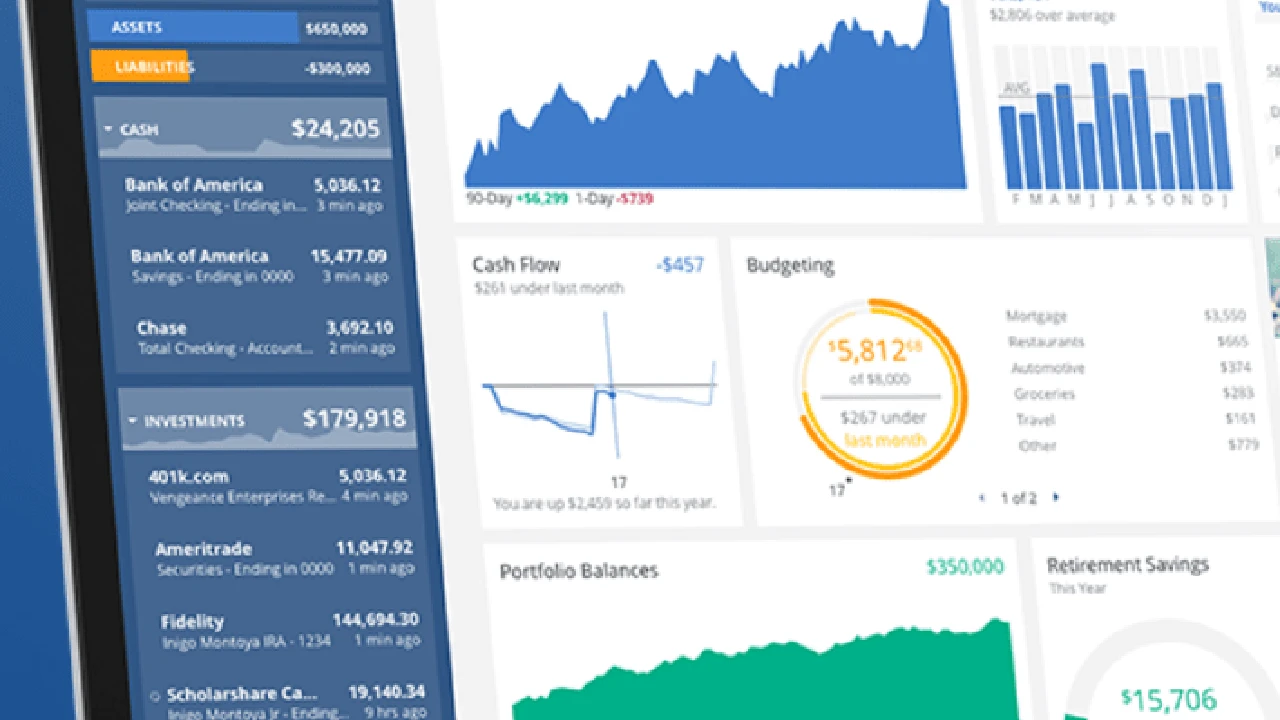
- Personal Capital: This is a fantastic free tool for tracking your net worth, investments, and spending. It aggregates all your financial accounts in one place, giving you a holistic view. It also offers a retirement planner that can project your financial future based on various scenarios.
- Fidelity Full View: Similar to Personal Capital, Fidelity's Full View allows you to link external accounts and get a comprehensive financial picture. Their retirement planning tools are also top-notch, helping you model different retirement ages and spending levels.
- Vanguard's Retirement Nest Egg Calculator: A simple yet powerful tool that helps you determine how long your savings might last in retirement, considering inflation and withdrawal rates.
- You Need A Budget (YNAB): While not strictly a retirement tool, YNAB is excellent for aggressive budgeting, which is crucial for early retirement. It helps you give every dollar a job, ensuring you're saving as much as possible. It costs around $14.99/month or $99/year.
- Empower (formerly Personal Capital): This platform offers free financial tracking tools and paid advisory services. Their free tools are incredibly robust for tracking investments and planning for retirement.
- Quicken: A long-standing personal finance software that offers comprehensive budgeting, investment tracking, and retirement planning features. It has various versions, with prices ranging from about $35 to $100 per year.
- Mint: A free budgeting app that also offers some basic retirement planning features. It's great for getting a quick overview of your finances.
When choosing a tool, consider your specific needs. Do you need aggressive budgeting, detailed investment analysis, or just a simple projection? Many of these offer free trials, so you can test them out before committing.
Healthcare Costs A Major Factor
Healthcare is often the elephant in the room when discussing retirement, especially early retirement. Before Medicare eligibility at 65, you'll need to secure private health insurance, which can be incredibly expensive. Options include:
- Affordable Care Act (ACA) Marketplace: You can purchase plans through your state's marketplace. Subsidies might be available based on your income, which can significantly reduce costs.
- COBRA: If you leave your job, you might be able to continue your employer's health plan through COBRA, but it's usually very expensive as you pay the full premium plus an administrative fee.
- Health Savings Accounts (HSAs): If you have a high-deductible health plan (HDHP), an HSA is a fantastic tool. Contributions are tax-deductible, grow tax-free, and withdrawals for qualified medical expenses are tax-free. It's often called the 'triple-tax advantage' account and can be a powerful retirement savings vehicle for healthcare costs.
For traditional retirees, Medicare becomes available at age 65, significantly reducing healthcare costs. However, it's important to understand that Medicare doesn't cover everything, and you might still need supplemental insurance (Medigap) or a Medicare Advantage plan.
Inflation and Market Volatility Protecting Your Nest Egg
Regardless of when you retire, inflation is a silent killer of purchasing power. Your money today won't buy as much in 20 or 30 years. It's crucial to factor inflation into your retirement projections and ensure your investments are growing at a rate that outpaces it.
Market volatility is another concern. A significant market downturn early in your retirement can severely impact your portfolio's longevity. This is known as sequence of returns risk. Strategies to mitigate this include:
- Having a cash buffer: Keep a few years' worth of living expenses in cash or highly liquid investments to avoid selling assets during a downturn.
- Diversification: Spread your investments across different asset classes (stocks, bonds, real estate) to reduce overall risk.
- Flexible spending: Be willing to reduce your spending during market downturns to preserve your capital.
The Psychological Aspect Finding Purpose
This is a big one. For many, work provides not just income but also a sense of identity, purpose, and social connection. Suddenly removing that can lead to feelings of boredom, isolation, or even depression. It's vital to have a plan for what you'll do with your newfound free time.
Consider:
- Hobbies and passions: What have you always wanted to do but never had time for?
- Volunteering: Giving back to your community can provide immense satisfaction.
- Learning new skills: Take classes, learn a new language, or pick up a musical instrument.
- Social connections: Maintain and build relationships with friends and family.
For those pursuing early retirement, it's often recommended to 'retire to something' rather than 'from something.'
Making Your Choice A Personalized Decision
Ultimately, the choice between early and traditional retirement is deeply personal. There's no right or wrong answer, only what's right for you. Consider your:
- Financial situation: How much can you realistically save? What's your current debt load?
- Risk tolerance: Are you comfortable with the potential risks of a longer retirement period?
- Health and longevity: Do you anticipate any health challenges that might impact your ability to work or enjoy retirement?
- Personal values and goals: What truly matters to you? Is it time freedom, financial security, or a balance of both?
- Career satisfaction: Do you love your job, or is it a means to an end?
Many people find a middle ground, perhaps working part-time in retirement, or pursuing a 'mini-retirement' for a few years before returning to work. The key is to be intentional about your choices and to plan proactively. Start saving early, invest wisely, and regularly review your financial plan. Whether you're aiming for FIRE or a more traditional path, understanding your options and preparing thoroughly will set you up for a fulfilling future.
:max_bytes(150000):strip_icc()/277019-baked-pork-chops-with-cream-of-mushroom-soup-DDMFS-beauty-4x3-BG-7505-5762b731cf30447d9cbbbbbf387beafa.jpg)