Comparing Traditional vs Online Savings Accounts
Analyze the differences between traditional bank savings accounts and modern online savings accounts to choose the best fit.
Analyze the differences between traditional bank savings accounts and modern online savings accounts to choose the best fit.
Comparing Traditional vs Online Savings Accounts
Understanding the Landscape of Savings Accounts
When it comes to stashing away your hard-earned cash, the options can feel a bit overwhelming. For decades, the go-to choice was always a traditional brick-and-mortar bank. You know, the one with the friendly tellers, the physical branches, and maybe even a lollipop for the kids. But in our increasingly digital world, online savings accounts have burst onto the scene, promising higher interest rates and unparalleled convenience. So, how do you pick the right one for your money goals? Let's dive deep into the nitty-gritty of traditional versus online savings accounts, exploring their pros, cons, and everything in between.
Think of your savings account as a safe harbor for your money. It's where you keep funds for emergencies, future big purchases like a down payment on a house or a new car, or simply to build up your financial security. The primary goal of a savings account, beyond safekeeping, is to earn a little extra money through interest. The higher the interest rate, the faster your money grows, thanks to the magic of compound interest. But interest rates aren't the only factor to consider. Fees, accessibility, customer service, and even the user experience play a significant role in determining which type of account is best for you.
Traditional Savings Accounts Exploring the Familiar
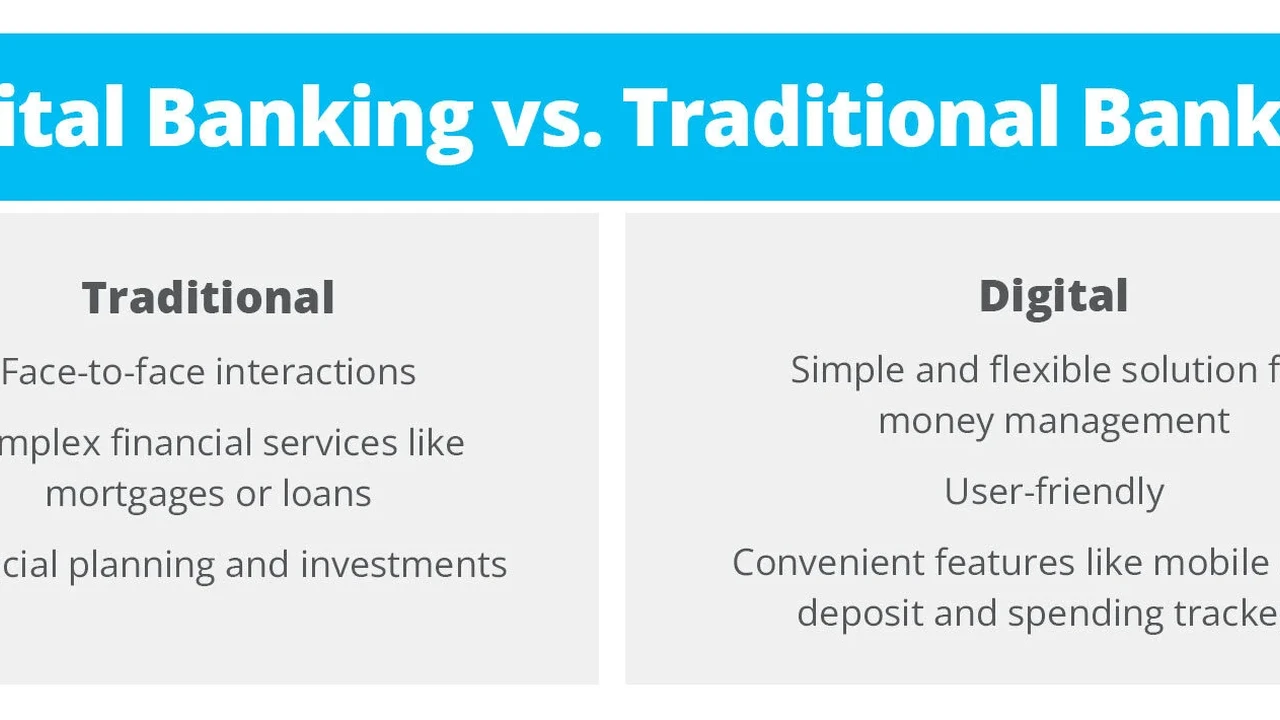
Traditional savings accounts are what most people grew up with. They're offered by established banks with physical branches you can walk into. These banks often provide a full suite of financial services, from checking accounts and loans to investment products. The main appeal of traditional banks lies in their physical presence and the personal touch they offer.
Pros of Traditional Savings Accounts Accessibility and Personal Service
- Physical Branches: This is perhaps the biggest advantage. If you prefer face-to-face interactions, need to deposit cash regularly, or just like the security of knowing there's a physical location you can visit, traditional banks are ideal. You can speak directly with a banker about your financial needs, get help with complex transactions, or resolve issues in person.
- Cash Deposits and Withdrawals: Depositing large sums of cash or needing immediate access to cash is often easier with a traditional bank. You can walk up to a teller or use an ATM.
- Integrated Services: Many people appreciate having all their financial products—checking, savings, loans, credit cards—under one roof. This can simplify money management and sometimes lead to better rates or bundled services.
- Personal Relationships: Building a relationship with a local banker can be beneficial, especially when you need advice or are applying for loans.
Cons of Traditional Savings Accounts Lower Rates and Fees
- Lower Interest Rates: This is the most significant drawback. Traditional banks have higher overhead costs (rent, staff, utilities for branches), which means they typically offer much lower interest rates on savings accounts compared to online banks. Your money grows much slower.
- Potential Fees: Many traditional savings accounts come with monthly maintenance fees, especially if you don't meet certain requirements like maintaining a minimum balance or setting up direct deposit. While these can often be waived, it's an extra hurdle.
- Limited Hours: Branches have specific operating hours, which can be inconvenient if you need to conduct transactions outside of typical business hours.
- Geographic Limitations: If you move, you might have to switch banks or deal with limited branch access in your new location.
Who are Traditional Savings Accounts Best For
Traditional savings accounts are a good fit for individuals who:
- Prefer in-person banking and personalized service.
- Regularly deposit or withdraw cash.
- Value having all their financial accounts with one institution.
- Don't mind sacrificing higher interest rates for convenience and physical access.
Online Savings Accounts The Digital Advantage
Online savings accounts operate entirely online, without physical branches. They are typically offered by online-only banks or the online divisions of traditional banks. Because they have significantly lower overhead costs, they can pass those savings on to customers in the form of higher interest rates.
Pros of Online Savings Accounts High Yields and Convenience
- Higher Interest Rates (APY): This is the undisputed champion advantage. Online savings accounts consistently offer significantly higher Annual Percentage Yields (APYs) than traditional banks. This means your money grows faster, sometimes by a factor of 10 or even 20 times compared to a traditional account.
- Lower or No Fees: Most online savings accounts have no monthly maintenance fees, regardless of your balance. This means more of your money stays in your pocket, earning interest.
- 24/7 Accessibility: You can manage your account, transfer funds, and check balances anytime, anywhere, as long as you have an internet connection. This offers unparalleled flexibility.
- Easy Account Opening: Opening an online savings account is usually a quick and straightforward process, often completed in minutes from your computer or smartphone.
- User-Friendly Interfaces: Online banks often invest heavily in intuitive websites and mobile apps, making it easy to manage your money.
Cons of Online Savings Accounts No Physical Presence
- No Physical Branches: The biggest drawback is the lack of physical locations. If you need to deposit cash, it can be inconvenient, often requiring you to use a third-party service or transfer funds from a linked checking account at a traditional bank.
- Limited Cash Access: Getting immediate cash can be tricky. While you can link to an external checking account for transfers, these transfers can take a few business days.
- Reliance on Technology: You need a reliable internet connection and comfort with digital banking. Technical glitches or cybersecurity concerns, though rare with reputable banks, can be a worry for some.
- Customer Service: While most online banks offer excellent phone, chat, and email support, some people prefer face-to-face interaction for complex issues.
Who are Online Savings Accounts Best For
Online savings accounts are an excellent choice for individuals who:
- Prioritize earning the highest possible interest rate on their savings.
- Are comfortable with digital banking and managing their finances online.
- Don't regularly need to deposit or withdraw physical cash.
- Are looking for low-fee or no-fee banking options.
Key Differences and Comparison Points Making Your Choice
To help you decide, let's break down the core differences between these two types of accounts across several critical factors:
Interest Rates The Growth Factor
This is where online savings accounts truly shine. While traditional banks might offer APYs ranging from 0.01% to 0.05%, online banks frequently offer 10 to 20 times that, often ranging from 3.50% to 5.00% or even higher, depending on market conditions. For example, if you have $10,000 saved, at 0.05% APY, you'd earn $5 in a year. At 4.50% APY, you'd earn $450. That's a significant difference over time, especially with larger balances.
Fees and Minimums Cost of Banking
Traditional banks often impose monthly service fees (e.g., $5-$15) if you don't meet certain requirements, such as maintaining a minimum daily balance (e.g., $300-$1,000) or having a certain number of direct deposits. Online banks, on the other hand, rarely charge monthly fees and often have no minimum balance requirements to open an account or avoid fees. This makes them more accessible and cost-effective for many savers.
Accessibility and Convenience Managing Your Money
Traditional banks offer the convenience of physical branches for in-person transactions, cash deposits, and immediate withdrawals. Online banks offer 24/7 digital access from anywhere with an internet connection, making them highly convenient for managing funds on the go. However, cash transactions are less straightforward with online banks.
Customer Service Getting Help
Traditional banks provide face-to-face customer service, which can be reassuring for complex issues or those who prefer personal interaction. Online banks typically offer customer support via phone, email, and live chat, often with extended hours. The quality of online customer service can vary, but many top online banks pride themselves on efficient and responsive digital support.
Security Protecting Your Funds
Both traditional and online banks are equally secure, provided they are FDIC-insured (for US banks) or covered by similar government deposit insurance schemes in other countries (e.g., CDIC in Canada, FSCS in the UK). This insurance protects your deposits up to $250,000 per depositor, per insured bank, in case the bank fails. Both types of banks also employ robust cybersecurity measures to protect your online data and transactions.
Recommended Products and Use Cases Finding Your Best Fit
Let's look at some specific examples of highly-rated traditional and online savings accounts, along with their ideal use cases.
Top Online Savings Accounts for High Yields
These accounts are generally best for emergency funds, down payments, or any savings goal where you want your money to grow as much as possible without significant risk.
1. Ally Bank Online Savings Account
- APY: Highly competitive, often among the top rates available (e.g., 4.25% APY as of late 2023/early 2024, but rates fluctuate).
- Fees: No monthly maintenance fees.
- Minimums: No minimum balance to open or maintain.
- Features: 24/7 customer service, user-friendly mobile app, ability to create 'buckets' for different savings goals, linked checking account option.
- Use Case: Excellent for anyone looking for a high-yield, no-fee savings account with great digital tools. Ideal for emergency funds, vacation savings, or a down payment fund.
- Note: Ally also offers CDs and investment products, making it a comprehensive online banking solution.
2. Marcus by Goldman Sachs Online Savings Account
- APY: Consistently high (e.g., 4.50% APY as of late 2023/early 2024).
- Fees: No monthly maintenance fees.
- Minimums: No minimum balance to open or maintain.
- Features: Strong customer service, simple and clean interface, competitive CD rates.
- Use Case: Great for those who prioritize a high APY and a straightforward, no-frills online savings experience. Good for long-term savings goals.
- Note: Marcus focuses primarily on savings and loans, so it doesn't offer a full suite of banking services like checking accounts.
3. Capital One 360 Performance Savings
- APY: Very competitive (e.g., 4.30% APY as of late 2023/early 2024).
- Fees: No monthly maintenance fees.
- Minimums: No minimum balance to open or maintain.
- Features: Integrates well with Capital One's checking accounts and credit cards, offers '360 Cafes' in some cities for a hybrid experience, robust mobile app.
- Use Case: Ideal for those who want the benefits of an online savings account but also appreciate the option of some physical presence (through Cafes) or already bank with Capital One.
- Note: Capital One is a large, well-established bank that has successfully built a strong online presence.
Top Traditional Savings Accounts for Specific Needs
While their APYs are lower, these accounts can be suitable if you have specific needs that online banks can't meet.
1. Chase Savings Account
- APY: Typically very low (e.g., 0.01% APY).
- Fees: $5 monthly service fee, often waived with a minimum daily balance of $300, or if you link a qualifying Chase checking account, or have certain direct deposits.
- Minimums: $0 to open, but minimums apply to waive fees.
- Features: Extensive branch network and ATMs, strong mobile app, integrated with a wide range of Chase products (checking, credit cards, loans).
- Use Case: Best for individuals who frequently need to deposit cash, prefer in-person banking, or already have a primary checking account with Chase and want to keep all their banking under one roof for convenience, even if it means sacrificing interest.
2. Bank of America Advantage Savings
- APY: Very low (e.g., 0.01% APY).
- Fees: $8 monthly service fee, often waived with a minimum daily balance of $500, or if you link a qualifying Bank of America checking account, or are a student under 25.
- Minimums: $100 to open, but minimums apply to waive fees.
- Features: Large branch and ATM network, comprehensive digital banking tools, preferred rewards program for loyal customers.
- Use Case: Similar to Chase, ideal for those who value extensive physical access and prefer to consolidate their banking with a major institution, especially if they can easily meet the fee waiver requirements.
3. Local Credit Union Savings Accounts
- APY: Generally slightly higher than large traditional banks, but still lower than online banks (e.g., 0.05% - 0.20% APY).
- Fees: Often lower fees or easier fee waivers than large banks.
- Minimums: Varies by credit union, often low.
- Features: Member-owned, often more personalized service, community-focused, may offer slightly better rates on loans.
- Use Case: Excellent for those who want a more community-oriented banking experience, value personalized service, and are willing to accept a slightly lower APY than online banks for local access. Membership requirements usually apply (e.g., living in a certain area, working for a specific employer).
Making Your Final Decision A Personalized Approach
Ultimately, the best savings account for you depends on your individual financial habits, priorities, and goals. There's no one-size-fits-all answer.
Consider Your Banking Habits Cash vs Digital
Do you frequently deal with physical cash? If you get paid in cash, run a cash-based business, or simply prefer to deposit cash regularly, a traditional bank with a branch network might be more convenient, despite the lower interest rates. If your transactions are primarily digital—direct deposits, online bill payments, debit card usage—then an online savings account will likely serve you better.
Prioritize Your Goals Interest vs Access
Is your primary goal to maximize the growth of your savings? If so, the higher APYs of online savings accounts are a clear winner. Even a small difference in APY can add up to hundreds or thousands of dollars over time, especially for larger balances. If immediate, in-person access to your funds is paramount, and you're willing to forgo some interest for that convenience, a traditional bank might be more suitable.
Evaluate Your Comfort with Technology Digital Literacy
Are you comfortable managing your finances through mobile apps and websites? Do you feel secure with online transactions? If so, online banking will be a breeze. If you're less tech-savvy or prefer the reassurance of speaking to a person for every transaction, a traditional bank might be a better fit for your peace of mind.
Think About Your Overall Financial Ecosystem Integrated Services
Do you want all your accounts (checking, savings, investments, loans) with one institution for simplicity? Many traditional banks offer this convenience. Online banks might require you to link accounts from different institutions, which can be a minor inconvenience for some, though many online banks now offer checking accounts as well.
Hybrid Approach The Best of Both Worlds
Many savvy savers adopt a hybrid approach, leveraging the strengths of both types of banks. This often looks like:
- A Traditional Checking Account: For everyday spending, bill payments, and easy cash deposits/withdrawals. This account acts as your primary transactional hub.
- An Online High-Yield Savings Account: For your emergency fund, long-term savings goals, and any money you don't need immediate access to. This is where your money works hardest for you.
By linking these two accounts, you get the best of both worlds: the convenience of a local bank for daily needs and the high-interest growth of an online bank for your savings. Transfers between linked accounts are usually straightforward, though they might take a day or two to process.
In conclusion, whether you choose a traditional or online savings account, or a combination of both, the most important step is to start saving. Every dollar saved and every bit of interest earned brings you closer to your financial goals. Do your research, compare the options, and pick the account that aligns perfectly with your financial journey.
:max_bytes(150000):strip_icc()/277019-baked-pork-chops-with-cream-of-mushroom-soup-DDMFS-beauty-4x3-BG-7505-5762b731cf30447d9cbbbbbf387beafa.jpg)