The Ultimate Guide to Cutting Unnecessary Expenses
A comprehensive guide to identifying and eliminating unnecessary expenses to boost your savings potential.
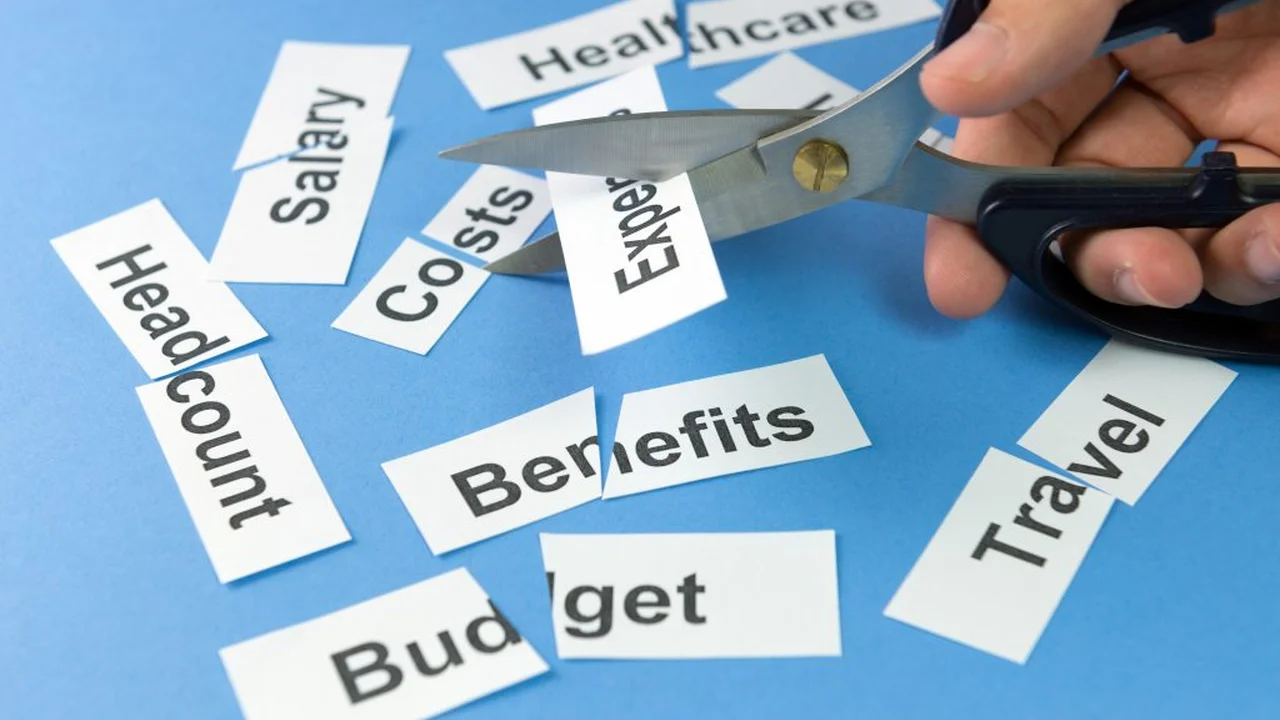
A comprehensive guide to identifying and eliminating unnecessary expenses to boost your savings potential.
The Ultimate Guide to Cutting Unnecessary Expenses
Hey there, money-savvy friends! We all want to save more, invest more, and generally feel more in control of our finances, right? But sometimes, it feels like our money just… disappears. You’re not alone! Often, the culprit isn’t a lack of income, but rather a sneaky collection of unnecessary expenses that chip away at our hard-earned cash. This guide is all about helping you find those hidden money drains and plug them up for good. We’re talking about boosting your savings potential by getting smart about where your money actually goes. Let’s dive in!
Understanding Your Spending Habits: The First Step to Expense Reduction
Before you can cut anything, you need to know what you’re spending. It sounds simple, but many people skip this crucial step. Think of it like a financial detective mission. You’re looking for clues about your money’s whereabouts.
Tracking Your Expenses: Tools and Techniques for Financial Clarity
There are tons of ways to track your spending, from old-school pen and paper to cutting-edge apps. The best method is the one you’ll actually stick with.
Manual Tracking: The Pen and Paper Method for Budgeting Basics
For those who love a tangible record, a simple notebook and pen can be incredibly effective. Just jot down every single expense, no matter how small, as soon as you make it. This immediate recording helps you stay aware. It’s great for visual learners and those who prefer to avoid screens.
Spreadsheets: Excel and Google Sheets for Detailed Financial Analysis
If you’re comfortable with numbers and formulas, a spreadsheet (like Microsoft Excel or Google Sheets) offers more flexibility and analytical power. You can categorize expenses, create charts, and even project future spending. Many free templates are available online to get you started. This method is fantastic for those who like to see their data organized and want to perform deeper analysis.
Budgeting Apps: Top Digital Tools for Automated Expense Tracking and Financial Management
This is where technology really shines. Budgeting apps connect to your bank accounts and credit cards, automatically categorizing your transactions. This takes a lot of the manual work out of tracking and provides real-time insights. Here are a few popular ones:
- Mint: This is a classic for a reason. Mint (free, available on iOS, Android, web) offers a comprehensive view of your finances, including spending, budgets, bills, and even your credit score. It automatically categorizes transactions, but you can always adjust them. It’s great for seeing all your accounts in one place and getting alerts for unusual spending.
- You Need A Budget (YNAB): YNAB (subscription-based, around $14.99/month or $99/year, available on iOS, Android, web) is more than just a tracking app; it’s a budgeting philosophy. It uses a 'zero-based budgeting' approach, where every dollar is assigned a job. This helps you be incredibly intentional with your money. It has a steeper learning curve but is highly effective for those committed to proactive budgeting.
- Personal Capital: While primarily known for investment tracking, Personal Capital (free, available on iOS, Android, web) also offers excellent budgeting and spending analysis tools. It’s particularly good for high-net-worth individuals or those with complex investment portfolios who also want to keep an eye on their daily spending.
- PocketGuard: PocketGuard (free with premium options, available on iOS, Android) focuses on showing you 'how much you have left to spend' after accounting for bills and savings goals. It’s very user-friendly and great for those who want a quick, clear picture of their disposable income.
- Simplifi by Quicken: Simplifi (subscription-based, around $3.99/month or $47.88/year, available on iOS, Android, web) is a newer offering from Quicken that aims for simplicity. It provides a clear dashboard of your spending, subscriptions, and net worth. It’s a good alternative to Mint if you’re looking for something streamlined.
Comparison of Budgeting Apps:
| App Name | Pricing | Key Feature | Best For |
|---|---|---|---|
| Mint | Free | Comprehensive financial overview, bill tracking | Beginners, those wanting a holistic view |
| YNAB | Subscription | Zero-based budgeting, intentional spending | Serious budgeters, debt repayment |
| Personal Capital | Free | Investment tracking, net worth analysis | Investors, high-net-worth individuals |
| PocketGuard | Free (premium options) | 'How much left to spend' focus | Quick overview, simple budgeting |
| Simplifi by Quicken | Subscription | Streamlined interface, subscription tracking | Users seeking simplicity, Quicken fans |
Identifying Unnecessary Expenses: Where Your Money Might Be Hiding
Once you have a clear picture of your spending, it’s time to play detective and find those unnecessary expenses. These are often things we pay for out of habit, convenience, or simply because we haven’t reviewed them in a while.
Subscription Services: Auditing Your Digital and Physical Subscriptions for Savings
Oh, the subscription trap! Streaming services, gym memberships you don’t use, software you forgot you signed up for… these can add up quickly. Go through your bank statements and credit card bills line by line. You might be surprised.
Streaming Services: Cutting the Cord and Optimizing Your Entertainment Budget
Do you really need Netflix, Hulu, Disney+, HBO Max, and Amazon Prime Video all at once? Probably not. Consider rotating services: subscribe to one or two for a few months, then cancel and switch to others. Many services offer free trials, so you can test them out before committing. Also, check if any services are bundled with your phone or internet plan – you might be paying for them without realizing it.
Gym Memberships: Evaluating Usage and Exploring Cost-Effective Fitness Alternatives
That shiny gym membership seemed like a great idea in January, but are you actually going? If not, it’s a wasted expense. Consider cheaper alternatives like home workouts (YouTube has tons of free content!), outdoor activities, or community center gyms. If you’re truly committed to a gym, look for off-peak discounts or student/senior rates.
Software and App Subscriptions: Unsubscribing from Unused Digital Services
From productivity apps to photo editing software, many digital tools now operate on a subscription model. Review these regularly. Are you using that premium version of an app? Is there a free alternative that meets your needs? Don’t pay for features you don’t use.
Food and Dining Out: Strategies for Reducing Your Food Budget Without Sacrificing Quality
Food is often one of the biggest discretionary expenses. Small daily purchases can really add up.
Coffee and Lunch Habits: Brewing at Home and Packing Your Meals for Significant Savings
That daily $5 latte and $15 takeout lunch? That’s $20 a day, or $100 a week, or $400 a month! Brewing coffee at home and packing your lunch can save you thousands of dollars a year. It might seem small, but these 'micro-expenses' are notorious budget killers.
Grocery Shopping Smart: Meal Planning, Bulk Buying, and Avoiding Impulse Purchases
Plan your meals for the week before you go to the grocery store. Make a list and stick to it. Avoid shopping when you’re hungry. Consider buying non-perishable items in bulk when they’re on sale. Look for store brands, which are often just as good as name brands but cheaper. And definitely, avoid those tempting impulse buys at the checkout!
Dining Out Less: Cooking at Home and Exploring Affordable Home-Cooked Alternatives
Dining out is a luxury, not a necessity. Try cooking more at home. It’s often healthier and significantly cheaper. If you do eat out, look for happy hour deals, early bird specials, or use coupons. Consider cooking larger batches and freezing portions for quick meals later.
Transportation Costs: Optimizing Your Commute and Vehicle Expenses
Getting around can be surprisingly expensive, especially if you’re not mindful of your habits.
Commuting Alternatives: Public Transport, Carpooling, and Biking for Cost Efficiency
If possible, explore alternatives to driving solo. Public transportation, carpooling, biking, or even walking can save you a lot on gas, parking, and vehicle wear and tear. Calculate how much you spend on your commute each month and see if there’s a cheaper way.
Vehicle Maintenance: DIY Tips and Smart Repair Choices for Lower Costs
Regular maintenance can prevent costly repairs down the line. Learn basic DIY tasks like checking tire pressure, oil levels, and fluid top-ups. When you need professional help, get multiple quotes for repairs. Don’t automatically go to the dealership; independent mechanics can often be more affordable.
Ride-Sharing and Taxis: Limiting Usage and Exploring Cheaper Options
Ride-sharing services like Uber and Lyft are convenient but can quickly drain your wallet if used frequently. Try to limit their use to emergencies or special occasions. Plan your trips in advance and consider public transport or walking instead.
Impulse Purchases and Unused Items: Curbing Spending and Decluttering for Financial Gain
We’ve all been there – buying something on a whim only for it to sit unused in a closet.
The 30-Day Rule: A Strategy to Avoid Impulse Buys and Save Money
For non-essential items, implement the '30-day rule.' If you want something, wait 30 days before buying it. Often, the urge will pass, and you’ll realize you don’t actually need it. This simple trick can save you a lot of money on things you’d regret buying later.
Selling Unused Items: Turning Clutter into Cash for Financial Boost
Look around your home. Do you have clothes you haven’t worn in a year? Electronics gathering dust? Furniture you no longer need? Sell them! Platforms like eBay, Facebook Marketplace, Craigslist, and local consignment shops can turn your unused items into cash. It’s a win-win: you declutter your space and boost your savings.
Utilities and Home Services: Optimizing Your Household Budget for Efficiency
Your home can be a source of significant expenses, but there are ways to reduce them.
Energy Efficiency: Smart Home Devices and Habits for Lower Utility Bills
Small changes can make a big difference. Unplug electronics when not in use (vampire drain!), switch to LED light bulbs, adjust your thermostat by a few degrees, and seal drafts around windows and doors. Consider smart thermostats like the Nest Learning Thermostat (around $249) or Ecobee Smart Thermostat Premium (around $249) which learn your habits and optimize heating/cooling, saving you money over time. These devices pay for themselves in energy savings.
Internet and Cable TV: Negotiating Deals and Downgrading Unnecessary Services
Call your internet and cable TV providers regularly to negotiate better rates. Tell them you’re considering switching to a competitor. Often, they’ll offer you a discount or a better package to keep your business. Also, evaluate if you really need that premium cable package. Many people are cutting the cord entirely and relying solely on streaming services and a good internet connection.
Insurance Policies: Reviewing Coverage and Shopping Around for Better Rates
Don’t just renew your insurance policies automatically. Shop around for car insurance, home insurance, and health insurance every year or two. Rates can vary significantly between providers for the same coverage. Use online comparison tools or work with an independent insurance broker to find the best deals. Make sure you’re not over-insured for things you don’t need, but also ensure you have adequate coverage for what matters.
Implementing Expense Cutting Strategies: Making Savings a Habit
Finding unnecessary expenses is one thing; actually cutting them and making it stick is another. It requires discipline and a shift in mindset.
Automating Savings: Setting Up Automatic Transfers for Consistent Financial Growth
The easiest way to save is to make it automatic. Set up automatic transfers from your checking account to your savings account (or investment account) immediately after you get paid. Treat savings like a bill you have to pay. Even small, consistent transfers add up significantly over time.
Budgeting and Review: Regular Financial Check-ins for Ongoing Expense Management
Your budget isn’t a one-and-done thing. It’s a living document. Review it regularly – weekly or bi-weekly – to see how you’re doing. Are you sticking to your limits? Are there new unnecessary expenses creeping in? Adjust your budget as your income or expenses change. This regular check-in keeps you accountable and on track.
Mindset Shift: Embracing Frugality and Intentional Spending for Financial Freedom
Cutting expenses isn’t about deprivation; it’s about intentionality. It’s about choosing where your money goes rather than letting it slip away. Embrace a frugal mindset, which means being resourceful and finding joy in experiences rather than just possessions. Ask yourself before every purchase: 'Do I really need this? Is this aligned with my financial goals?' This shift in thinking is powerful and can lead to true financial freedom.
Beyond Cutting: Maximizing Your Savings Potential
Once you’ve mastered cutting unnecessary expenses, you can take your savings game to the next level.
High-Yield Savings Accounts: Earning More on Your Saved Money
Don’t let your savings sit in a low-interest checking account. Move your emergency fund and short-term savings to a high-yield savings account. Online banks typically offer much higher interest rates than traditional brick-and-mortar banks. While rates fluctuate, even an extra 1-2% can mean hundreds of dollars more in interest earned over a year. Look for accounts with no monthly fees and easy access to your funds.
Investing Your Savings: Growing Your Wealth for Long-Term Financial Goals
For long-term goals (like retirement or a down payment on a house), investing is key. Once you have a solid emergency fund, start putting your extra savings into investment vehicles like index funds, ETFs, or mutual funds. The power of compound interest means your money will grow exponentially over time. Consider using robo-advisors like Betterment or Wealthfront (both have low fees, typically 0.25% of assets under management) if you’re new to investing. They automate the process and build diversified portfolios based on your risk tolerance.
Debt Reduction: Freeing Up Cash Flow by Eliminating High-Interest Debt
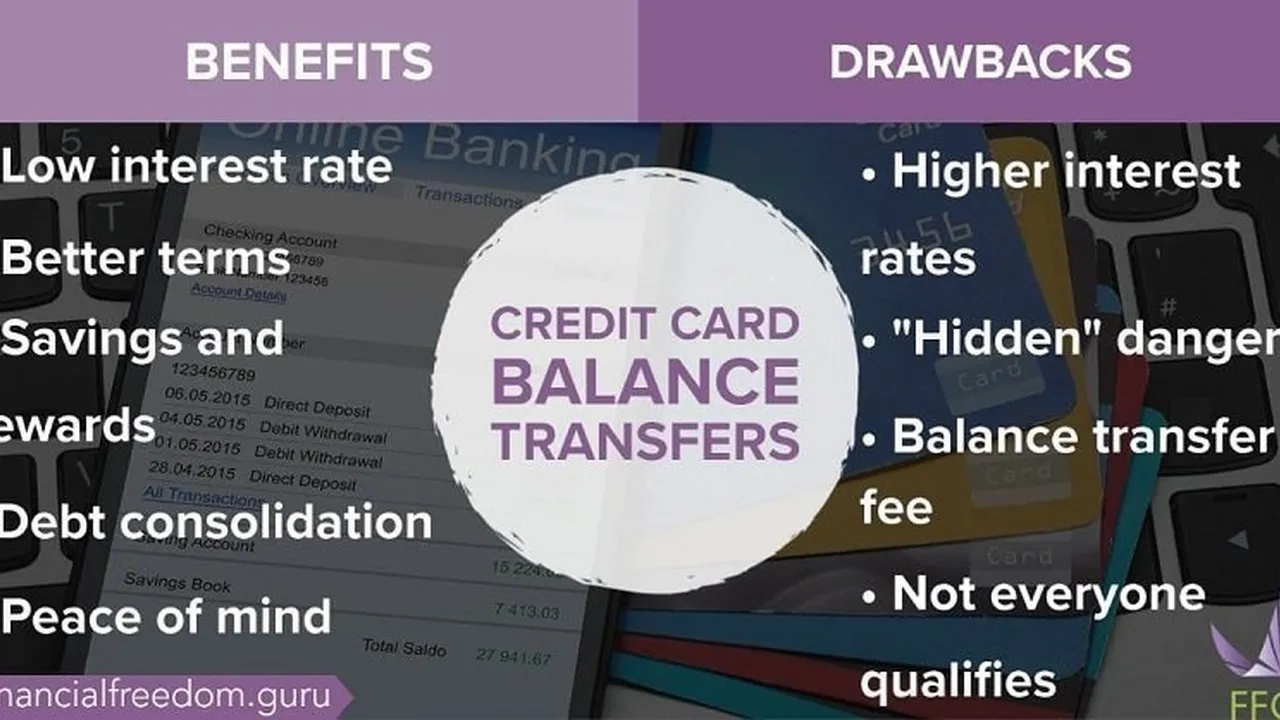
High-interest debt, especially credit card debt, is a massive unnecessary expense. The interest payments alone can eat up a huge chunk of your income. Prioritize paying down high-interest debt using strategies like the debt snowball or debt avalanche method. The money you free up from interest payments can then be redirected to savings or investments, accelerating your financial progress.
Cutting unnecessary expenses is a continuous journey, not a one-time event. By regularly reviewing your spending, making conscious choices, and leveraging the right tools, you can significantly boost your savings potential and take a huge step towards achieving your financial goals. It’s about being smart with your money, so you can live the life you truly want.
:max_bytes(150000):strip_icc()/277019-baked-pork-chops-with-cream-of-mushroom-soup-DDMFS-beauty-4x3-BG-7505-5762b731cf30447d9cbbbbbf387beafa.jpg)