Top 3 Budgeting Apps to Master Your Spending
Explore the 3 best budgeting applications designed to help you track expenses and manage your money effectively.
Explore the 3 best budgeting applications designed to help you track expenses and manage your money effectively.
Top 3 Budgeting Apps to Master Your Spending
Why Budgeting Apps Are Essential for Financial Mastery
In today's fast-paced digital world, managing your money can feel like a constant uphill battle. From unexpected expenses to the allure of impulse purchases, keeping track of where your money goes is more challenging than ever. This is where budgeting apps come into play. They're not just digital spreadsheets; they're powerful tools designed to give you a clear, real-time picture of your financial health. Think of them as your personal financial coaches, available 24/7, helping you identify spending patterns, set financial goals, and ultimately, achieve financial freedom. Whether you're saving for a down payment, paying off debt, or simply trying to understand your cash flow, a good budgeting app can transform your financial habits. They automate the tedious process of tracking transactions, categorize your spending, and provide insightful reports that would take hours to compile manually. Plus, with features like bill reminders and goal tracking, they help you stay on top of your financial commitments and motivated towards your objectives. The convenience of having all your financial data in one place, accessible from your smartphone, is a game-changer for anyone serious about mastering their spending.
Understanding Your Budgeting Needs Choosing the Right App
Before diving into specific recommendations, it's crucial to understand that not all budgeting apps are created equal, and what works for one person might not work for another. Your ideal budgeting app depends heavily on your personal financial situation, your comfort level with technology, and your specific financial goals. Are you a budgeting beginner looking for something simple and intuitive? Or are you a seasoned financial pro who needs advanced features like investment tracking and detailed net worth calculations? Do you prefer a hands-on approach where you manually input every transaction, or do you want an app that automatically syncs with your bank accounts? Consider your primary financial challenges: Is it overspending on dining out? Struggling to save for a specific goal? Or perhaps you need help managing multiple income streams? Some apps excel at debt management, while others are perfect for couples budgeting together. Think about the level of detail you need in your reports and whether you prefer visual dashboards or detailed transaction lists. Also, consider the security features and privacy policies of the app, especially since you'll be linking sensitive financial information. By taking the time to assess your unique needs, you'll be better equipped to choose an app that truly supports your financial journey rather than adding to your stress.
App 1 YNAB You Need A Budget The Zero Based Budgeting Champion
Overview of YNAB Features and Philosophy
YNAB, short for 'You Need A Budget,' isn't just an app; it's a budgeting philosophy centered around the 'zero-based budgeting' method. This means every dollar you earn is assigned a job – whether it's for bills, savings, or discretionary spending. The core principle is to give every dollar a purpose, ensuring no money is left unaccounted for. YNAB encourages proactive budgeting, where you plan your spending before you spend, rather than just tracking past transactions. Its four rules are: 1) Give Every Dollar a Job, 2) Embrace Your True Expenses, 3) Roll With the Punches, and 4) Age Your Money. These rules guide users towards a more mindful and intentional approach to their finances. Key features include automatic bank syncing, goal tracking, detailed reporting, and a strong emphasis on education through workshops and a supportive community. YNAB is particularly effective for those who want to break the paycheck-to-paycheck cycle and gain complete control over their money. It's less about restricting spending and more about understanding your priorities and allocating your resources accordingly. The app's interface is clean and intuitive, making it easy to see where your money is going and where it needs to go.
User Experience and Ideal Scenarios for YNAB
The user experience with YNAB is highly engaging, primarily because it requires active participation. While it offers automatic transaction import, the real power comes from manually categorizing and assigning jobs to your money. This hands-on approach fosters a deeper understanding of your financial habits. YNAB is ideal for individuals or couples who are serious about changing their financial behavior and are willing to invest time in learning and applying its principles. It's particularly effective for those struggling with overspending, as it forces you to confront your financial reality and make conscious decisions about every dollar. It shines in scenarios where users want to: 1) Get out of debt by clearly allocating funds towards repayment. 2) Save for specific large purchases or long-term goals by setting up dedicated categories. 3) Break the paycheck-to-paycheck cycle by building a buffer and aging their money. 4) Gain complete transparency into their spending habits. The learning curve can be a bit steep initially, especially for those new to zero-based budgeting, but YNAB provides extensive educational resources, including live workshops and a comprehensive knowledge base, to help users master the system. Its active community forums also offer peer support and advice.
Pricing and Availability of YNAB
YNAB operates on a subscription model, which might seem like an upfront cost, but many users find the financial benefits far outweigh the expense. As of late 2023, YNAB typically costs around $14.99 per month or $99 per year (prices can vary slightly and are subject to change, always check their official website for the most current pricing). They often offer a free trial period, usually 34 days, which is ample time to experience the app and see if its methodology resonates with you. YNAB is available across multiple platforms, ensuring accessibility for most users. You can access it via their web application, which offers the full suite of features, as well as dedicated mobile apps for iOS (iPhone, iPad) and Android devices. This cross-platform availability means you can manage your budget on the go, whether you're at home on your computer or out shopping with your smartphone. The seamless syncing between devices ensures your financial data is always up-to-date, providing a consistent budgeting experience regardless of the device you're using. While the subscription fee is a consideration, YNAB's proponents argue that the money saved and the financial clarity gained quickly justify the investment.
App 2 Mint The Free All-in-One Financial Dashboard
Overview of Mint Features and Integration
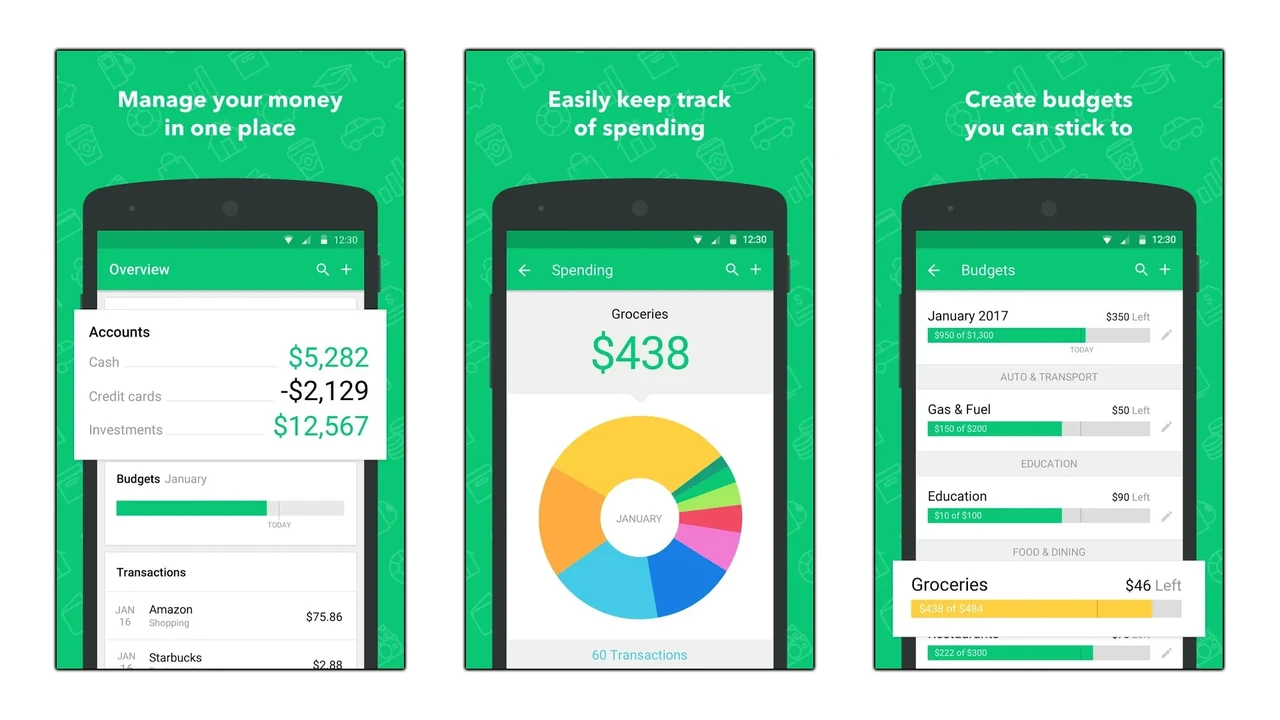
Mint, a popular offering from Intuit (the makers of TurboTax and QuickBooks), stands out as a comprehensive, free personal finance management tool. Its primary strength lies in its ability to aggregate all your financial accounts – bank accounts, credit cards, loans, investments, and even property values – into one centralized dashboard. This provides users with a holistic view of their financial life, from cash flow to net worth. Mint automatically categorizes transactions, making it easy to see where your money is going without manual input. Key features include customizable budgeting tools, bill tracking and reminders, credit score monitoring, investment tracking, and personalized financial advice based on your spending habits. Mint also offers alerts for unusual spending, low balances, and upcoming bills, helping users stay proactive about their finances. Its goal-setting feature allows you to track progress towards savings goals, debt repayment, and retirement. For those who want a broad overview of their finances without the commitment of a paid subscription, Mint offers an incredibly robust solution. It's designed to be a 'set it and forget it' type of tool for basic tracking, while still offering enough depth for more engaged users.
User Experience and Ideal Scenarios for Mint
Mint's user experience is generally praised for its simplicity and intuitive interface. The dashboard provides a quick snapshot of your financial health, with colorful graphs and charts that make data easy to digest. It's particularly user-friendly for beginners who are just starting their budgeting journey and want an automated solution. Mint is ideal for individuals who: 1) Want a free, comprehensive overview of all their financial accounts in one place. 2) Prefer automated transaction categorization and minimal manual input. 3) Need help tracking bills and avoiding late fees. 4) Are interested in monitoring their credit score regularly. 5) Are looking for personalized insights and tips to improve their financial habits. While Mint offers budgeting features, its strength lies more in tracking and reporting rather than proactive planning like YNAB. It's excellent for understanding past spending and identifying areas for improvement. However, some users report occasional issues with bank syncing or transaction categorization, which may require manual adjustments. Despite these minor hiccups, Mint remains a top choice for its accessibility and wide range of features at no cost.
Pricing and Availability of Mint
One of Mint's most attractive features is its price: it's completely free to use. Mint generates revenue primarily through advertisements for financial products (like credit cards, loans, and investment opportunities) that are tailored to your financial profile. While these ads are present, they are generally unobtrusive and can sometimes even be helpful if you're actively seeking new financial products. Mint is widely available across various platforms, ensuring that users can access their financial data wherever they are. It offers a robust web application that provides the most comprehensive view of your finances, along with highly functional mobile apps for both iOS (iPhone, iPad) and Android devices. The mobile apps are well-designed, offering most of the features found on the web version, making it convenient to check balances, track spending, and receive alerts on the go. The seamless synchronization between the web and mobile platforms ensures that your financial information is always current and accessible. For anyone looking for a powerful, free budgeting and financial tracking tool, Mint is an excellent starting point and often sufficient for most basic to intermediate financial management needs.
App 3 Personal Capital The Wealth Management Powerhouse
Overview of Personal Capital Features and Focus
Personal Capital distinguishes itself from traditional budgeting apps by focusing heavily on wealth management, investment tracking, and retirement planning. While it offers budgeting features, its core strength lies in providing a comprehensive view of your net worth and investment performance. It aggregates all your financial accounts, including bank accounts, credit cards, mortgages, and, most notably, investment portfolios (401ks, IRAs, brokerage accounts). Key features include a powerful net worth tracker, investment checkup tools that analyze your portfolio's diversification and fees, retirement planners that project your financial future, and fee analyzers that identify hidden costs in your investments. Personal Capital also offers a cash flow analyzer, which functions as a basic budgeting tool, allowing you to track income and expenses. For users with significant assets or those actively building wealth, Personal Capital provides invaluable insights into their overall financial picture, helping them make informed decisions about their investments and long-term financial goals. It's less about day-to-day spending habits and more about the big picture of your financial growth.
User Experience and Ideal Scenarios for Personal Capital
The user experience with Personal Capital is geared towards clarity and insight, especially for those with complex financial portfolios. The dashboard is visually rich, providing detailed graphs and charts that illustrate your net worth trends, investment allocation, and cash flow. It's particularly user-friendly for individuals who: 1) Have multiple investment accounts and want a consolidated view of their portfolio. 2) Are focused on long-term wealth building and retirement planning. 3) Want to analyze their investment fees and diversification. 4) Are looking for a free tool that offers sophisticated financial planning features. 5) Are comfortable with a less granular approach to daily budgeting and prefer a high-level overview. Personal Capital is ideal for investors and high-net-worth individuals who need more than just basic budgeting; they need tools to optimize their investments and plan for retirement. While it offers budgeting, it's not as robust for detailed expense tracking as YNAB or even Mint. Its strength lies in its analytical capabilities for investments and overall financial health. For those with over $100,000 in investable assets, Personal Capital also offers personalized financial advisory services, connecting users with human advisors for a fee.
Pricing and Availability of Personal Capital
Personal Capital offers its core financial dashboard and analytical tools for free. This includes the net worth tracker, investment checkup, retirement planner, and cash flow analyzer. Like Mint, Personal Capital generates revenue through its paid financial advisory services, which are offered to users who meet certain asset thresholds (typically $100,000 or more in investable assets). These advisory services come with a management fee, usually a percentage of assets under management. The free tools, however, are incredibly powerful and provide significant value without any cost. Personal Capital is accessible through its comprehensive web application, which provides the most detailed views and analytical tools. Additionally, it offers well-designed mobile apps for both iOS (iPhone, iPad) and Android devices, allowing users to monitor their net worth, investments, and cash flow on the go. The mobile apps are highly functional and provide a convenient way to stay connected to your financial big picture. The seamless synchronization across platforms ensures that your data is always up-to-date, whether you're reviewing your portfolio on your desktop or checking your net worth on your phone. For serious investors and wealth builders, Personal Capital's free tools are an indispensable resource.
Comparing the Top 3 Budgeting Apps Features and Use Cases
When comparing YNAB, Mint, and Personal Capital, it's clear that each app caters to a slightly different user and financial need. YNAB is the undisputed champion for those who want to take a hands-on, proactive approach to budgeting and truly understand where every dollar goes. Its zero-based budgeting philosophy is transformative for breaking bad spending habits and building financial discipline. It's best for users who are willing to commit to a system and want to get out of debt or save aggressively. Mint, on the other hand, is the ultimate free, automated financial aggregator. It's perfect for beginners or anyone who wants a quick, comprehensive overview of their financial accounts, automated transaction categorization, and bill reminders without manual effort. It excels at tracking past spending and providing a snapshot of your financial health. Personal Capital is the go-to for wealth management and investment tracking. While it offers basic budgeting, its strength lies in analyzing investment portfolios, tracking net worth, and planning for retirement. It's ideal for individuals with significant assets or those focused on long-term wealth building and optimizing their investments. In terms of pricing, Mint and Personal Capital offer robust free versions, while YNAB requires a subscription, justified by its unique methodology and educational support. The best app for you depends on whether your priority is detailed daily budgeting (YNAB), automated financial tracking (Mint), or comprehensive wealth management (Personal Capital).
Tips for Maximizing Your Budgeting App Experience
No matter which budgeting app you choose, its effectiveness largely depends on how consistently and effectively you use it. Here are some tips to maximize your budgeting app experience: 1) Connect All Accounts: Link all your bank accounts, credit cards, loans, and investment accounts to get a complete picture of your finances. This eliminates blind spots and ensures accurate tracking. 2) Regularly Review Transactions: Even with automatic categorization, take a few minutes each week to review and re-categorize transactions as needed. This ensures accuracy and helps you stay aware of your spending. 3) Set Realistic Goals: Use the app's goal-setting features to define clear, achievable financial goals, whether it's saving for a vacation, paying off a specific debt, or building an emergency fund. 4) Customize Categories: Don't stick to default categories if they don't fit your lifestyle. Create custom categories that accurately reflect your spending habits and priorities. 5) Utilize Alerts and Reminders: Set up alerts for low balances, large transactions, or upcoming bills to stay on top of your finances and avoid overdrafts or late fees. 6) Review Reports Regularly: Dive into the app's reports and insights at least once a month. This helps you identify spending trends, areas for improvement, and progress towards your goals. 7) Be Patient and Consistent: Budgeting is a marathon, not a sprint. It takes time to build new habits and see significant results. Be patient with yourself and consistent in your app usage. 8) Leverage Educational Resources: Many apps offer tutorials, articles, and community forums. Utilize these resources to learn more about personal finance and get the most out of your chosen app. By actively engaging with your budgeting app, you'll transform it from a simple tool into a powerful catalyst for financial success.
Future Trends in Budgeting Apps AI and Personalization
The landscape of budgeting apps is constantly evolving, with exciting new trends on the horizon, particularly in the areas of artificial intelligence (AI) and hyper-personalization. We're already seeing AI being used for more accurate transaction categorization, predictive spending analysis, and even identifying potential savings opportunities. Future budgeting apps will likely leverage AI to offer even more sophisticated insights, such as predicting future cash flow based on past habits and upcoming bills, or suggesting optimal investment strategies tailored to your risk tolerance and goals. Personalization will also become even more granular. Instead of generic advice, apps will offer highly customized recommendations based on your unique financial situation, life events (like getting married or buying a home), and even your psychological relationship with money. Imagine an app that not only tells you where you're overspending but also suggests specific, actionable steps to curb that spending, perhaps by integrating with loyalty programs or offering personalized discount codes. Voice commands and natural language processing could make interacting with your budget even more seamless, allowing you to ask questions like, 'How much did I spend on dining out last month?' and get an instant, intelligent response. The integration with other financial services, like tax preparation software or insurance providers, will also likely deepen, creating a more interconnected financial ecosystem. These advancements promise to make budgeting less of a chore and more of an intuitive, empowering experience, helping individuals achieve financial mastery with greater ease and precision.
:max_bytes(150000):strip_icc()/277019-baked-pork-chops-with-cream-of-mushroom-soup-DDMFS-beauty-4x3-BG-7505-5762b731cf30447d9cbbbbbf387beafa.jpg)