Top 3 Mobile Payment Apps for Seamless Transactions
Explore the 3 best mobile payment applications that offer convenient and secure digital transactions.
Explore the 3 best mobile payment applications that offer convenient and secure digital transactions. In today's fast-paced digital world, mobile payment apps have become indispensable tools for managing our finances. They offer unparalleled convenience, allowing us to make purchases, send money to friends, and even pay bills with just a few taps on our smartphones. But with so many options out there, how do you choose the right one? This comprehensive guide dives deep into the top three mobile payment apps, comparing their features, use cases, security, and even their pricing structures, helping you make an informed decision.
Top 3 Mobile Payment Apps for Seamless Transactions
The Rise of Digital Wallets and Mobile Payments
Mobile payments have revolutionized how we handle money. Gone are the days of fumbling for cash or swiping physical cards. Now, our smartphones act as our wallets, making transactions quicker, safer, and more efficient. This shift isn't just about convenience; it's about integrating financial activities seamlessly into our daily lives. From splitting dinner bills with friends to paying for groceries, mobile payment apps are at the forefront of this financial evolution. They leverage advanced encryption and biometric security to protect your financial information, offering a level of security that often surpasses traditional payment methods. The global mobile payment market is booming, driven by increasing smartphone penetration and a growing preference for contactless transactions. This trend is particularly strong in both the US and Southeast Asian markets, where digital adoption rates are soaring. Understanding the landscape of these apps is crucial for anyone looking to optimize their financial management.
Apple Pay The Seamless iOS Experience
Apple Pay, launched in 2014, is Apple's mobile payment and digital wallet service. It's deeply integrated into the Apple ecosystem, making it incredibly seamless for iPhone, Apple Watch, iPad, and Mac users. If you're an Apple loyalist, this is likely your go-to.
Key Features and Use Cases for Apple Pay
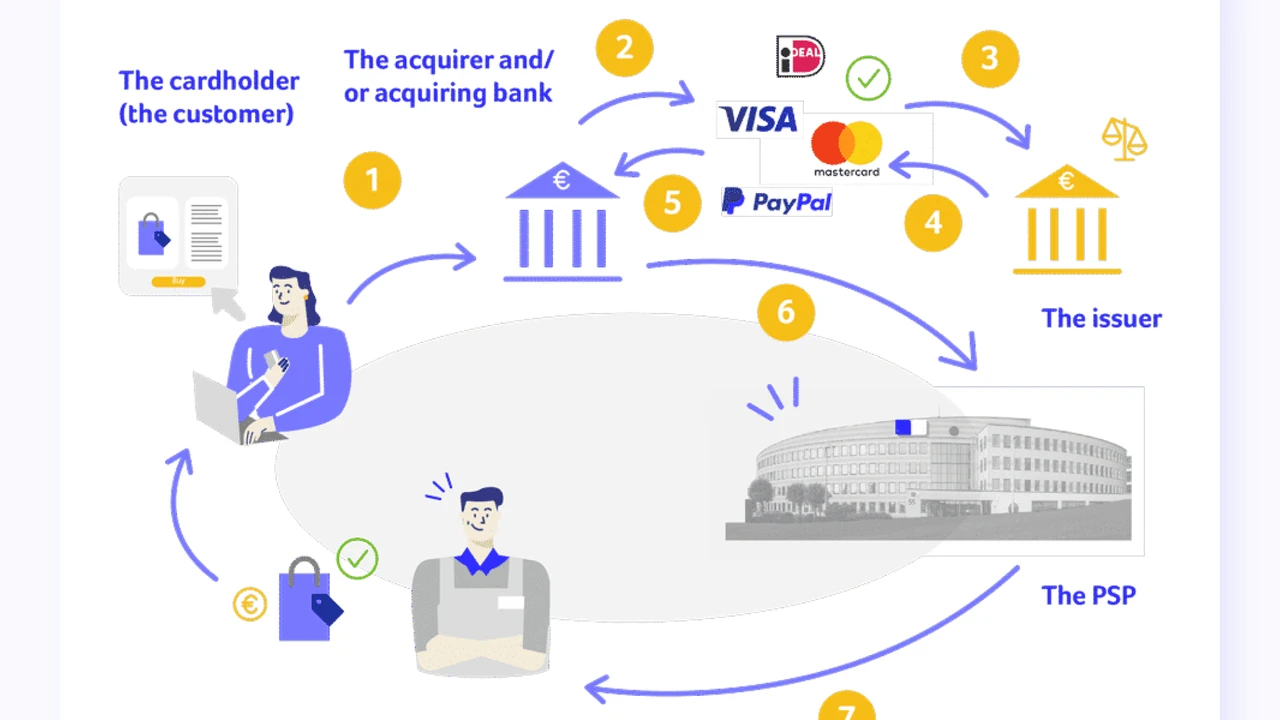
Apple Pay allows users to make payments in stores, within apps, and on the web. For in-store purchases, it uses Near Field Communication (NFC) technology, meaning you just hold your device near a compatible payment terminal. Online, it simplifies checkout processes by pre-filling payment and shipping information. It supports credit, debit, and even some loyalty cards. A standout feature is its strong emphasis on privacy and security. When you add a card, the actual card number is never stored on the device or on Apple servers. Instead, a unique Device Account Number is assigned, encrypted, and stored securely in the Secure Element, a dedicated chip on your device. Each transaction is authorized with a one-time unique dynamic security code. This tokenization process makes it incredibly secure.
Security and Privacy with Apple Pay
Security is paramount with Apple Pay. Every transaction requires Face ID, Touch ID, or your passcode, ensuring that only you can authorize payments. This multi-layered security approach significantly reduces the risk of fraud. Furthermore, Apple doesn't store transaction data that can be tied back to you, ensuring your purchases remain private. This commitment to user privacy is a major selling point for many.
Pricing and Availability of Apple Pay
Apple Pay itself is free to use for consumers. There are no additional fees from Apple for making payments. Standard bank fees or merchant fees may apply, but these are not imposed by Apple. It's widely accepted globally, especially in the US, Europe, and increasingly in Southeast Asian countries like Singapore and Malaysia, where contactless payments are prevalent. Its widespread acceptance makes it a highly convenient option for daily transactions.
Google Pay The Android and Cross-Platform Solution
Google Pay, formerly Android Pay and Google Wallet, is Google's answer to mobile payments. It's designed for Android users but also has a strong web presence and some iOS compatibility, making it a versatile option for a broader audience.
Key Features and Use Cases for Google Pay
Google Pay offers similar functionalities to Apple Pay: in-store NFC payments, in-app purchases, and online web payments. It also supports loyalty cards, gift cards, and even public transport passes in some cities. A key differentiator is its integration with other Google services. For instance, you can use Google Pay to send money to friends and family directly from the app, similar to Venmo or PayPal. It also offers insights into your spending habits, categorizing transactions and providing a holistic view of your finances. This financial tracking feature can be incredibly useful for budgeting and understanding where your money goes.
Security and Privacy with Google Pay
Google Pay employs multiple layers of security to protect your information. Like Apple Pay, it uses tokenization, replacing your actual card number with an encrypted virtual account number. This virtual number is used for transactions, keeping your real card details private. It also requires a screen lock (PIN, pattern, fingerprint) to authorize payments. Google states that it doesn't sell your personal information to third parties. While Google does collect some data for service improvement and personalized experiences, users have control over their privacy settings.
Pricing and Availability of Google Pay
Google Pay is free for consumers to use for payments. There are no fees for sending or receiving money from a bank account, though a small fee might apply for sending money using a debit card. It's available on most Android devices and can be used on the web across various browsers. Its global reach is extensive, with strong adoption in the US, India, and many Southeast Asian markets like Indonesia and Thailand. Its cross-platform compatibility makes it a flexible choice for users who might switch between devices or operating systems.
PayPal The Veteran of Digital Transactions
PayPal, founded in 1998, is one of the oldest and most established digital payment platforms. While not strictly a 'mobile payment app' in the NFC sense, its mobile app is incredibly powerful and widely used for online transactions, peer-to-peer payments, and even some in-store QR code payments.
Key Features and Use Cases for PayPal
PayPal's strength lies in its versatility. It's primarily known for secure online purchases, acting as an intermediary between your bank account/credit card and online merchants. This means you don't have to share your financial details with every website you shop on. Its peer-to-peer payment feature is incredibly popular for sending money to friends and family, splitting bills, or paying for services. The PayPal app also supports QR code payments at some physical locations, expanding its in-store utility. Beyond payments, PayPal offers buyer protection, which can be a huge advantage if a purchase goes wrong. It also supports international money transfers, making it a go-to for cross-border transactions.
Security and Privacy with PayPal
PayPal has a long-standing reputation for security. It uses advanced encryption and fraud prevention technologies to protect your financial information. All transactions are monitored 24/7 for suspicious activity. While your bank details are stored with PayPal, they are not shared with merchants. PayPal also offers two-factor authentication for an added layer of security. Their buyer protection program is a significant benefit, offering refunds for eligible purchases that don't arrive or aren't as described. This provides a strong safety net for online shoppers.
Pricing and Availability of PayPal
Creating a PayPal account and sending money to friends and family within the same country from a bank account or PayPal balance is generally free. Fees apply for sending money using a credit card or for international transactions. For merchants, PayPal charges transaction fees. PayPal is globally available and widely accepted by millions of online merchants worldwide. Its ubiquity makes it an essential tool for anyone engaging in online commerce, especially in regions like the US and across Southeast Asia, where it's a dominant payment gateway.
Comparing the Top 3 Mobile Payment Apps
Let's break down how these three giants stack up against each other across various important aspects.
In-Store Payment Capabilities and NFC Technology
Apple Pay and Google Pay are the clear leaders here, both leveraging NFC for quick tap-to-pay transactions at compatible terminals. This is their primary strength for physical retail. PayPal, while expanding into QR code payments, isn't as universally integrated for NFC in-store payments. If your main use case is tapping your phone at a checkout counter, Apple Pay (for iOS users) and Google Pay (for Android users) are superior.
Online and In-App Purchase Integration
All three excel in this area. Apple Pay and Google Pay offer seamless checkout experiences within apps and on websites that support them, often with just a single tap or biometric authentication. PayPal is a veteran in online payments, with its 'Pay with PayPal' button being ubiquitous across e-commerce sites. For online shopping, all three provide excellent convenience and security.
Peer-to-Peer Money Transfer Features
Google Pay and PayPal both offer robust peer-to-peer (P2P) money transfer services, allowing you to send and receive money from friends and family easily. Apple Pay also has a P2P feature through Apple Cash, integrated into Messages, but it's primarily for Apple users. If you frequently send money to others, Google Pay and PayPal offer broader compatibility and often more straightforward interfaces for this specific function.
Security Measures and Fraud Protection
All three employ strong security measures like tokenization and encryption. Apple Pay and Google Pay benefit from device-level security (Face ID/Touch ID/PIN). PayPal has a long history of fraud prevention and offers comprehensive buyer protection. While all are secure, PayPal's buyer protection for online purchases offers an extra layer of reassurance for consumers.
Cross-Platform Compatibility and Ecosystem Integration
Apple Pay is exclusive to the Apple ecosystem, offering unparalleled integration for Apple device owners. Google Pay is primarily for Android but has strong web and some iOS presence, making it more cross-platform than Apple Pay. PayPal is the most platform-agnostic, working seamlessly across all operating systems and web browsers, making it ideal for users who don't stick to one brand or device.
International Transaction Capabilities and Fees
PayPal is the strongest contender for international transactions, with widespread support for various currencies and countries, though international transfer fees can apply. Apple Pay and Google Pay are expanding their international reach, but their primary focus remains on domestic transactions within supported regions. If you frequently send or receive money across borders, PayPal is often the most convenient and widely accepted option.
Choosing the Right Mobile Payment App for You
So, which app is the best fit? It really depends on your specific needs and existing tech ecosystem.
For the Apple Enthusiast
If you're deeply embedded in the Apple ecosystem with an iPhone, Apple Watch, and Mac, Apple Pay offers the most seamless and integrated experience. Its ease of use for in-store and in-app purchases, combined with its strong privacy features, makes it an excellent choice. You'll appreciate how effortlessly it works across all your Apple devices.
For the Android User or Cross-Platform Seeker
Google Pay is a fantastic option for Android users, offering similar NFC capabilities to Apple Pay. Its integration with other Google services and its robust P2P payment features make it a versatile choice. If you use a mix of devices or want an app that works well on both Android and the web, Google Pay provides excellent flexibility.
For Frequent Online Shoppers and International Transactions
PayPal remains the king for online purchases and peer-to-peer transfers, especially if you frequently shop on various websites or need to send money internationally. Its long-standing reputation, buyer protection, and widespread acceptance make it a reliable choice for a broad range of digital financial activities. While not primarily an NFC in-store app, its online prowess is unmatched.
Future Trends in Mobile Payments
Mobile payments are constantly evolving. We're seeing increased adoption of QR code payments, especially in Southeast Asia, offering an alternative to NFC. Biometric authentication, beyond just fingerprints and facial recognition, is also becoming more sophisticated. The integration of cryptocurrencies into mainstream payment apps is another exciting development, though still in its early stages. Furthermore, expect more personalized financial insights and budgeting tools to be built directly into these apps, transforming them from mere payment tools into comprehensive financial management platforms. The future of money is undoubtedly mobile, and these apps are leading the charge.
Final Thoughts on Digital Transactions
Ultimately, the 'best' mobile payment app is the one that fits your lifestyle and financial habits. Many people use a combination of these apps to cover different needs. For instance, you might use Apple Pay or Google Pay for daily in-store purchases and PayPal for online shopping or international transfers. The key is to leverage the convenience and security these apps offer to simplify your financial life. Embrace the digital wallet, and enjoy the seamless transactions that come with it. Happy spending, and even happier saving!
:max_bytes(150000):strip_icc()/277019-baked-pork-chops-with-cream-of-mushroom-soup-DDMFS-beauty-4x3-BG-7505-5762b731cf30447d9cbbbbbf387beafa.jpg)