Comparing Growth vs Value Investing Strategies
Analyze the differences between growth investing and value investing approaches to determine which suits your investment style.
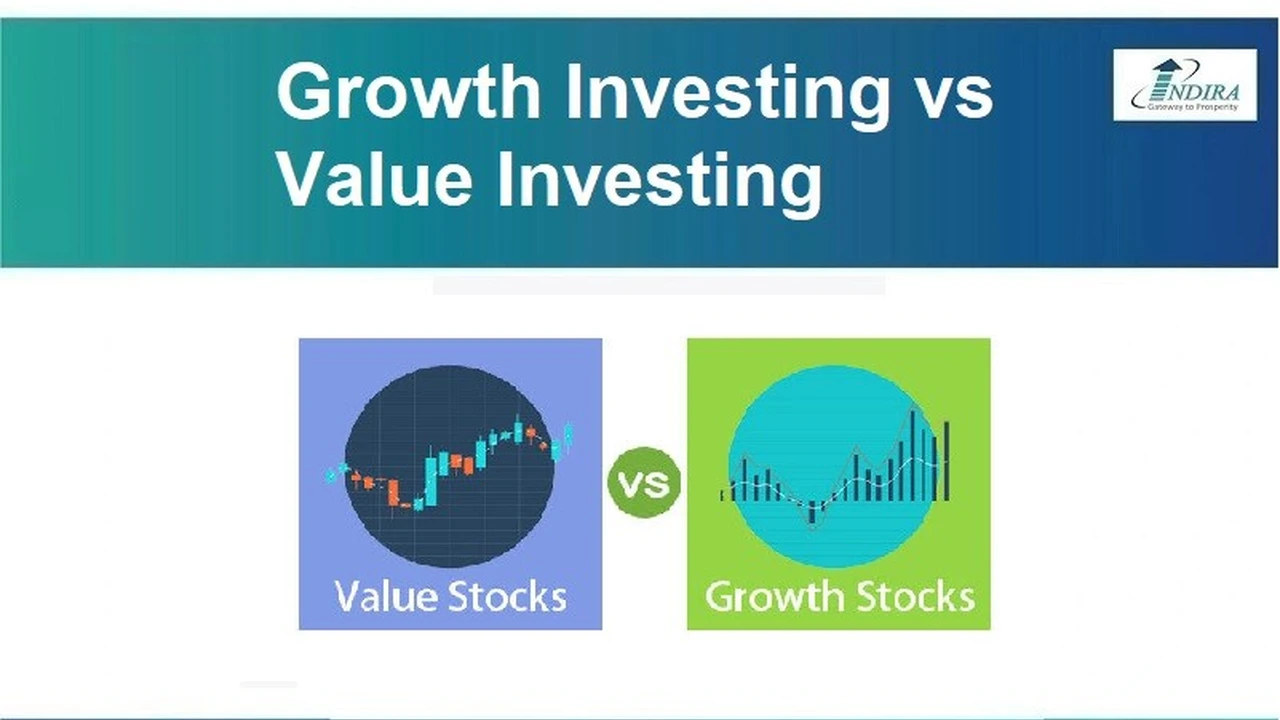
Analyze the differences between growth investing and value investing approaches to determine which suits your investment style.
Comparing Growth vs Value Investing Strategies
Hey there, future financial wizard! Ever wondered how some folks pick stocks that just seem to skyrocket, while others patiently wait for hidden gems to shine? Well, you've probably stumbled upon the core concepts of growth investing and value investing. These aren't just fancy terms; they're two fundamental philosophies that guide countless investors. Understanding them is super important because it helps you figure out which path aligns best with your financial goals, risk tolerance, and even your personality. Let's dive deep and break down these two titans of the investment world, see what makes them tick, and help you decide which one might be your perfect match.
Growth Investing What It Is and Why It Appeals
So, what's growth investing all about? In a nutshell, growth investors are like treasure hunters looking for companies that are expected to grow at an above-average rate compared to the overall market. Think of companies that are innovating, expanding rapidly, or disrupting industries. These aren't necessarily the biggest or most profitable companies right now, but they have massive potential for future earnings and revenue growth. The idea is that as these companies grow, their stock price will follow suit, leading to significant capital appreciation.
Key Characteristics of Growth Stocks High P/E Ratios and Innovation
When you're looking at growth stocks, you'll often notice a few common characteristics. First off, they typically have high price-to-earnings (P/E) ratios. This means investors are willing to pay a premium for their shares because they anticipate strong future growth. They might not be paying out big dividends, or any dividends at all, because they're reinvesting their profits back into the business to fuel further expansion. Think of tech companies, biotech firms, or even some consumer discretionary businesses that are constantly coming up with new products or services. They're often at the forefront of innovation, pushing boundaries and creating new markets.
Examples of Growth Companies Tech Giants and Disruptors
Let's talk about some real-world examples. Companies like Tesla (TSLA), Amazon (AMZN), and even some newer players in the AI space like NVIDIA (NVDA) are classic examples of growth stocks. Tesla, for instance, isn't just selling cars; it's pushing the boundaries of electric vehicles, battery technology, and even AI in autonomous driving. Amazon, while a giant now, was once a pure growth play, constantly expanding into new sectors like cloud computing (AWS) and streaming. These companies are often characterized by their ability to innovate, capture market share, and consistently deliver strong revenue growth, even if their current profits aren't massive.
Value Investing Unearthing Undervalued Gems
Now, let's flip the coin and talk about value investing. Value investors are more like bargain hunters. They're looking for companies whose stock prices appear to be trading below their intrinsic value. This often happens when a company is temporarily out of favor with the market, perhaps due to a recent setback, a misunderstanding of its business, or just general market pessimism. The belief here is that the market will eventually recognize the true worth of these companies, and their stock price will rise to reflect that value.
Key Characteristics of Value Stocks Low P/E Ratios and Established Businesses
Value stocks tend to have different characteristics than growth stocks. You'll often find them with lower P/E ratios, indicating that they might be undervalued relative to their earnings. They often pay out dividends, as they're typically more mature, established businesses with consistent cash flows. Think of companies in traditional industries like banking, utilities, or manufacturing. They might not be growing at breakneck speed, but they have solid fundamentals, a strong balance sheet, and a history of profitability. Value investors are looking for a margin of safety – buying something for less than what they believe it's truly worth.
Examples of Value Companies Financial Institutions and Consumer Staples
Classic examples of value stocks include companies like JPMorgan Chase (JPM), Coca-Cola (KO), or even some utility companies like NextEra Energy (NEE). These are often well-established businesses with strong brand recognition, consistent earnings, and a history of returning capital to shareholders through dividends. While they might not offer the explosive growth potential of a tech startup, they provide stability and often a steady income stream. Value investors are patient; they're willing to wait for the market to correct its mispricing.
Comparing the Two Approaches Risk Reward and Time Horizon
So, how do growth and value investing stack up against each other? It's not really about one being inherently 'better' than the other; it's about what fits your investment profile. Let's break down some key differences.
Risk and Volatility Growth vs Value Performance
Growth stocks tend to be more volatile. Because their valuations are often based on future expectations, any hiccup in their growth trajectory or a shift in market sentiment can lead to significant price swings. Think of a high-flying tech stock that misses its earnings estimates – the stock can tumble quickly. Value stocks, on the other hand, tend to be less volatile. Their valuations are often based on current assets and earnings, providing a more stable foundation. However, they might also experience periods of underperformance if the market continues to favor growth.
Time Horizon Short Term Gains vs Long Term Appreciation
Growth investing often appeals to investors with a longer time horizon who are willing to ride out market fluctuations for potentially higher long-term returns. They're betting on the future. Value investing can also be long-term, but the 'aha!' moment for a value investor often comes when the market finally recognizes the true worth of an undervalued asset, which can sometimes happen more quickly than waiting for a growth company to fully mature.
Investor Psychology Patience and Conviction
The psychology behind each approach is also different. Growth investors need to have conviction in a company's future potential and be comfortable with higher valuations. Value investors need patience and the ability to go against the crowd, buying when others are selling or ignoring a stock. It takes a certain temperament to be a successful value investor, as you might be holding onto stocks that aren't popular for extended periods.
Hybrid Approaches Blending the Best of Both Worlds
While we've discussed growth and value as distinct strategies, many successful investors don't strictly adhere to just one. In fact, a hybrid approach, often called 'growth at a reasonable price' (GARP), tries to combine the best elements of both. GARP investors look for companies that are growing but aren't excessively overvalued. They want growth, but they also want a margin of safety.
GARP Investing Finding Quality Growth at Fair Prices
A GARP investor might look for a company with strong earnings growth but a P/E ratio that's not astronomically high. They're seeking quality businesses that are expanding, but they're also mindful of the price they're paying. This approach can potentially offer a good balance between capital appreciation and risk management. It's about finding that sweet spot where a company has solid growth prospects but isn't priced for perfection.
Which Strategy is Right for You Personalizing Your Investment Journey
So, after all this, how do you decide which strategy, or combination of strategies, is right for you? It really boils down to your personal circumstances and preferences.
Assessing Your Risk Tolerance and Financial Goals
If you're comfortable with higher risk and volatility, and you have a long investment horizon, growth investing might be appealing. You're aiming for significant capital gains. If you're more risk-averse, prefer stability, and perhaps want some dividend income, value investing could be a better fit. Think about your financial goals: are you saving for retirement decades away, or do you need a more stable portfolio for a shorter-term goal?
Considering Your Investment Horizon and Time Commitment
Growth investing often requires less active management once you've identified a promising company, as you're betting on its long-term trajectory. Value investing can sometimes require more research to identify truly undervalued assets and patience to wait for the market to correct. How much time are you willing to dedicate to researching and monitoring your investments?
Diversification The Key to a Balanced Portfolio
Regardless of whether you lean towards growth or value, diversification is absolutely crucial. Don't put all your eggs in one basket! A well-diversified portfolio will likely include a mix of both growth and value stocks, across different sectors and geographies. This helps to mitigate risk and can provide more consistent returns over the long run. Even if you primarily identify as a growth investor, having some stable value stocks can provide a cushion during market downturns. Conversely, a value-focused portfolio can benefit from the upside potential of a few carefully selected growth plays.
Tools and Platforms for Growth and Value Investors
Now, let's talk about some practical tools and platforms that can help you implement either of these strategies. You don't need to be a Wall Street pro to get started!
Brokerage Platforms for Stock Picking and Research
For direct stock picking, you'll need a brokerage account. Here are a few popular options, keeping in mind their features for both growth and value investors:
- Fidelity: A long-standing player, Fidelity offers extensive research tools, including analyst reports, screeners, and educational content. Their platform is robust for both fundamental (value) and technical (growth) analysis. They have a wide range of ETFs and mutual funds too.
- Charles Schwab: Similar to Fidelity, Schwab provides comprehensive research, commission-free stock and ETF trading, and a user-friendly interface. Their screener tools are excellent for filtering stocks based on various financial metrics, which is great for value investors looking for specific P/E ratios or dividend yields.
- TD Ameritrade (now part of Schwab): Known for its powerful thinkorswim platform, which offers advanced charting and analytical tools. While great for active traders, it also provides deep fundamental data useful for value investors and real-time data for tracking growth stock momentum.
- Interactive Brokers (IBKR): Often favored by more experienced investors due to its low commissions and access to a vast array of global markets and asset classes. Their Trader Workstation (TWS) platform is highly customizable and offers sophisticated analytical tools for both growth and value strategies.
- Moomoo / Webull: These newer platforms are popular with younger investors, offering commission-free trading, user-friendly mobile apps, and social features. They often provide good charting tools and some basic research, which can be helpful for identifying trending growth stocks. Moomoo, for example, offers advanced charting and Level 2 market data, which can be useful for understanding short-term price movements in growth stocks.
Screening Tools for Identifying Potential Investments
To find potential growth or value stocks, screening tools are your best friend. Most brokerage platforms have built-in screeners, but there are also standalone options:
- Finviz: A free and powerful stock screener that allows you to filter by a huge range of criteria, including P/E ratio, market cap, industry, and growth rates. You can easily set up screens for 'low P/E' (value) or 'high revenue growth' (growth).
- Yahoo Finance: Offers a decent stock screener with a good selection of fundamental and technical filters. It's also a great source for news and basic financial data.
- Morningstar: Known for its in-depth analysis and ratings, Morningstar's screener is excellent for fundamental investors. They provide proprietary metrics like 'economic moat' which can be very useful for identifying high-quality value companies.
Robo-Advisors for Automated Diversification
If you're not keen on picking individual stocks, or you want a hands-off approach, robo-advisors can be a great solution. They build diversified portfolios for you based on your risk tolerance, often including a mix of growth and value-oriented ETFs.
- Betterment: One of the pioneers in robo-advising, Betterment creates globally diversified portfolios of ETFs. They use a mix of value and growth-oriented funds to provide broad market exposure. Their tax-loss harvesting feature can also be a big plus.
- Wealthfront: Similar to Betterment, Wealthfront offers automated investing with a focus on low-cost ETFs. They also provide features like direct indexing for larger accounts, which can offer tax advantages. Their portfolios are designed to capture market returns, which inherently includes both growth and value components.
- Fidelity Go: Fidelity's own robo-advisor, offering diversified portfolios with no advisory fees for balances under $25,000. It's a good entry point for those who want Fidelity's ecosystem but prefer automated management.
Remember, the best platform or tool is the one you're comfortable using and that aligns with your investment strategy. Take some time to explore different options before committing.
Final Thoughts on Your Investment Path
Ultimately, whether you lean towards growth, value, or a hybrid approach, the most important thing is to have a clear understanding of your investment philosophy and to stick to it. Both strategies have proven successful over the long term, but they require different mindsets and patience. Don't get swayed by short-term market noise. Do your research, understand what you're investing in, and build a portfolio that reflects your unique financial journey. Happy investing!
:max_bytes(150000):strip_icc()/277019-baked-pork-chops-with-cream-of-mushroom-soup-DDMFS-beauty-4x3-BG-7505-5762b731cf30447d9cbbbbbf387beafa.jpg)