How to Automate Your Savings for Financial Success
Implement strategies to automate your savings and achieve your financial goals with minimal effort.

Implement strategies to automate your savings and achieve your financial goals with minimal effort.
How to Automate Your Savings for Financial Success
Understanding Automated Savings The Foundation of Financial Growth
Automating your savings is one of the most powerful financial habits you can adopt. It removes the need for willpower and discipline every time you get paid, ensuring that a portion of your income is consistently directed towards your financial goals. This 'set it and forget it' approach is not just convenient; it's a cornerstone of building wealth and achieving financial success with minimal effort. By automating, you prioritize saving, making it a non-negotiable part of your financial life, much like paying a bill. This strategy helps you avoid the temptation to spend money that should be saved, leading to more consistent progress towards your objectives, whether they are short-term like a down payment or long-term like retirement.
The core principle behind automated savings is simple: make saving automatic. This means setting up recurring transfers from your checking account to your savings, investment, or debt repayment accounts. The beauty of automation lies in its consistency and the psychological shift it creates. Instead of deciding to save each month, you've already made the decision once, and your financial system executes it for you. This reduces financial stress and decision fatigue, allowing you to focus on other aspects of your life while your money works for you. It's about building a robust financial infrastructure that supports your goals without constant manual intervention.
Setting Up Your Automated Savings System Step-by-Step Guide
Setting up an automated savings system is straightforward, but it requires a bit of initial planning. Here's a step-by-step guide to get you started:
Step 1 Define Your Financial Goals and Savings Targets
Before you automate, you need to know what you're saving for. Are you building an emergency fund? Saving for a down payment on a house? Planning for retirement? Or perhaps a combination of these? Clearly defining your goals will help you determine how much you need to save and by when. For example, if you want to save $10,000 for a down payment in 2 years, you'll need to save approximately $417 per month. Break down your larger goals into smaller, manageable monthly or bi-weekly targets. This clarity provides motivation and a clear roadmap for your automated transfers.
Step 2 Choose the Right Accounts for Your Automated Transfers
Where will your automated savings go? This depends on your goals. For an emergency fund, a high-yield savings account is ideal. For retirement, a 401(k) or IRA is appropriate. For short-term goals, a separate savings account dedicated to that specific goal can be very effective. Having separate accounts for different goals helps you visualize your progress and prevents you from accidentally spending money allocated for one purpose on another. Consider accounts that offer competitive interest rates to maximize your returns.
Step 3 Set Up Automatic Transfers from Your Checking Account
This is the core of automation. Most banks and financial institutions allow you to set up recurring transfers online. You'll typically need to specify the amount, the frequency (weekly, bi-weekly, monthly), and the start date. It's often recommended to schedule these transfers to occur shortly after your paycheck hits your account. This is known as 'paying yourself first' and ensures that your savings are prioritized before other expenses. If you get paid bi-weekly, consider setting up bi-weekly transfers to align with your income cycle.
Step 4 Automate Your Investments for Long-Term Wealth
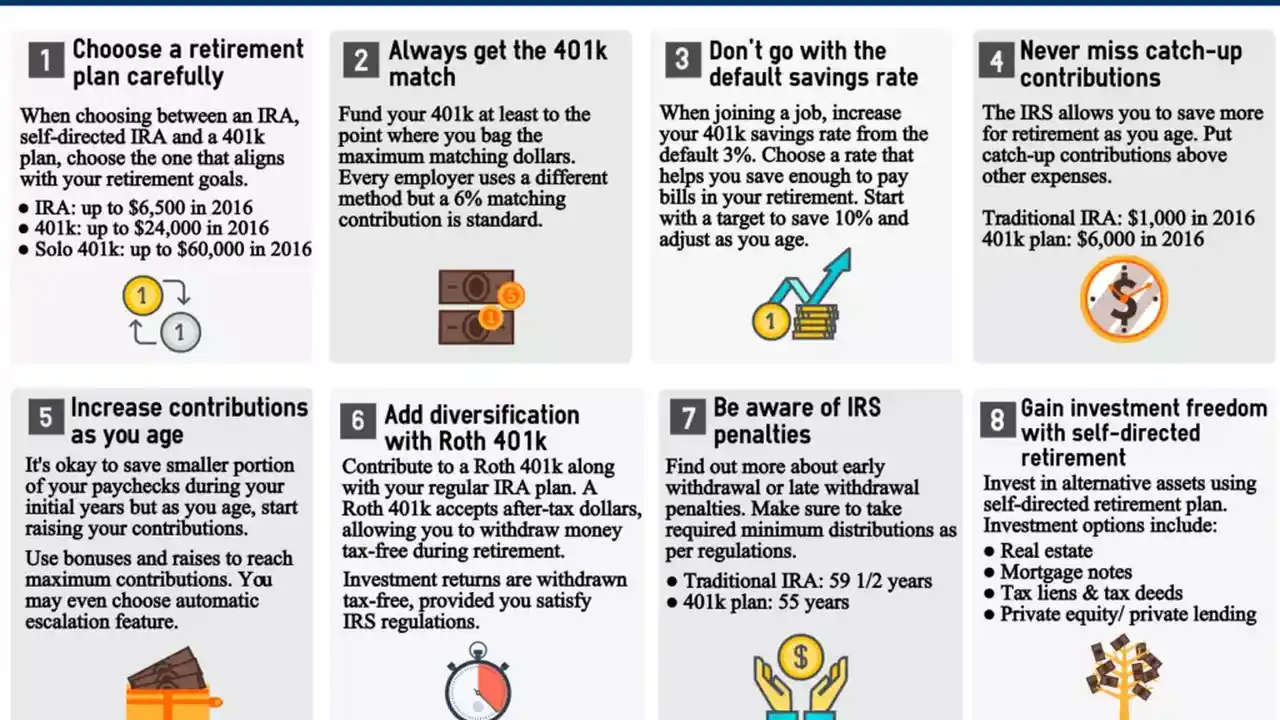
Automated savings aren't just for cash. You can also automate your investments. If you have a 401(k) through your employer, contributions are typically automated directly from your paycheck. For IRAs or brokerage accounts, you can set up recurring transfers from your checking account to these investment vehicles. This consistent investing, regardless of market fluctuations, is known as dollar-cost averaging and can significantly reduce risk while building substantial wealth over time. Many investment platforms offer this feature, making it easy to consistently contribute to your portfolio.
Step 5 Automate Your Debt Repayments for Financial Freedom
While not strictly 'savings,' automating debt repayments is equally crucial for financial success. Setting up automatic payments for credit cards, student loans, or mortgages ensures you never miss a payment, which protects your credit score and helps you avoid late fees. If you're aggressively paying down debt, consider setting up additional automated payments beyond the minimum required. This accelerates your debt repayment journey and frees up more money for savings and investments in the long run.
Recommended Products and Services for Automated Savings Your Toolkit for Success
Many financial products and services can help you automate your savings. Here are some top recommendations, including specific products, their use cases, comparisons, and pricing information:
High-Yield Savings Accounts Maximizing Your Cash Savings
These accounts offer significantly higher interest rates than traditional savings accounts, allowing your money to grow faster. They are ideal for emergency funds, short-term savings goals, and any cash you want to keep liquid but earning interest.
- Ally Bank Online Savings Account:
- Use Case: Excellent for emergency funds, down payments, or any short-term savings goal. Offers competitive interest rates and no monthly fees.
- Features: 24/7 customer service, online and mobile banking, buckets feature to organize savings goals within one account.
- Comparison: Often cited as a leader in online savings due to consistently high rates and user-friendly interface. Compares favorably to Discover Bank and Marcus by Goldman Sachs.
- Pricing: No monthly maintenance fees, no minimum balance requirements.
- Discover Bank Online Savings Account:
- Use Case: Similar to Ally, great for liquid savings that need to earn a good return.
- Features: Competitive interest rates, no monthly fees, 24/7 U.S.-based customer service, mobile check deposit.
- Comparison: Very similar to Ally in terms of features and rates. Some users prefer Discover's customer service.
- Pricing: No monthly maintenance fees, no minimum balance requirements.
- Marcus by Goldman Sachs Online Savings Account:
- Use Case: A strong contender for high-yield savings, backed by a reputable investment bank.
- Features: Competitive rates, no fees, no minimum deposit to open, personalized customer service.
- Comparison: Known for its simplicity and strong rates. Lacks some of the advanced budgeting features of other apps but excels at pure savings.
- Pricing: No monthly maintenance fees, no minimum balance requirements.
Robo-Advisors Automated Investing for All Levels
Robo-advisors use algorithms to manage your investments based on your financial goals and risk tolerance. They are excellent for automating long-term investment contributions.
- Betterment:
- Use Case: Ideal for beginners and those who want a hands-off approach to investing. Offers automated rebalancing, tax-loss harvesting, and goal-based investing.
- Features: Diversified portfolios of ETFs, automatic deposits, tax-smart investing strategies, access to financial advisors (premium plan).
- Comparison: One of the pioneers in robo-advisory. Strong competitor to Wealthfront and Schwab Intelligent Portfolios.
- Pricing: 0.25% annual advisory fee for balances under $100,000 (Digital plan), 0.40% for balances over $100,000 (Premium plan). Minimum to start: $0.
- Wealthfront:
- Use Case: Great for those seeking advanced tax-loss harvesting and a focus on long-term growth. Also offers a high-yield cash account.
- Features: Automated investing, direct indexing, smart beta, portfolio line of credit, high-yield cash account.
- Comparison: Often compared to Betterment, with Wealthfront sometimes offering more advanced tax strategies for higher balances.
- Pricing: 0.25% annual advisory fee. Minimum to start: $500.
- Fidelity Go:
- Use Case: A good option for existing Fidelity customers or those looking for a low-cost robo-advisor with human support options.
- Features: Automated investing, diversified portfolios, no advisory fee for balances under $25,000.
- Comparison: More integrated with Fidelity's broader ecosystem. Offers a competitive fee structure, especially for smaller balances.
- Pricing: No advisory fee for balances under $25,000. 0.35% annual advisory fee for balances over $25,000. Minimum to start: $0.
Budgeting Apps with Automated Savings Features Streamlining Your Finances
Many budgeting apps now integrate features that help you automate savings by identifying surplus funds or rounding up transactions.
- Mint:
- Use Case: Comprehensive budgeting and financial tracking. While not directly automating transfers, it helps you identify where you can save and set up budgets that support automated savings.
- Features: Connects all your financial accounts, tracks spending, creates budgets, monitors credit score, bill reminders.
- Comparison: One of the most popular free budgeting apps. More focused on tracking and budgeting than direct automated transfers, but essential for identifying savings potential.
- Pricing: Free.
- YNAB (You Need A Budget):
- Use Case: A powerful budgeting tool that encourages proactive money management and helps you allocate every dollar, making it easier to automate savings.
- Features: Zero-based budgeting, goal tracking, transaction import, detailed reports.
- Comparison: A more hands-on approach than Mint, but highly effective for those committed to budgeting. Its philosophy naturally leads to automated savings.
- Pricing: $14.99/month or $98.99/year (after a 34-day free trial).
- Acorns:
- Use Case: Automates investing by rounding up your everyday purchases and investing the spare change. Great for micro-investing and getting started with automation.
- Features: Round-ups, recurring investments, diversified portfolios, retirement accounts (Later), checking accounts (Spend).
- Comparison: Unique in its round-up feature, making investing feel effortless. Ideal for those who struggle with setting aside larger sums.
- Pricing: $3/month for Personal (Invest, Later, Spend), $5/month for Family (includes kids' accounts).
Advanced Strategies for Supercharging Your Automated Savings Beyond the Basics
Once you've got the basics down, you can implement more advanced strategies to supercharge your automated savings:
The Pay Yourself First Principle Making Savings a Priority
This is the golden rule of automated savings. As soon as your paycheck hits your account, your automated transfers should move money to your savings and investment accounts before you have a chance to spend it. This ensures that your financial goals are met first, rather than being an afterthought. It shifts your mindset from 'saving what's left' to 'spending what's left after saving.' This simple psychological trick can dramatically increase your savings rate.
Automating Windfalls and Bonuses Unexpected Income Opportunities
Did you receive a tax refund, a work bonus, or an unexpected gift? Instead of spending it all, automate a significant portion of it directly into your savings or investment accounts. These windfalls are excellent opportunities to accelerate your progress towards your financial goals without impacting your regular budget. Even automating 50% of a windfall can make a substantial difference over time.
Increasing Automated Contributions Annually or with Raises Boosting Your Savings Power
Make it a habit to increase your automated savings contributions whenever you get a raise or at least once a year. Even a small increase, like an extra $25 or $50 per month, can compound significantly over time. If you get a raise, consider automating at least half of the raise amount directly into your savings or investments. You won't miss the money, and your financial future will thank you.
Using Multiple Automated Transfers for Different Goals Segmenting Your Savings
Don't just have one savings transfer. Set up multiple automated transfers for different financial goals. For example, one transfer for your emergency fund, another for a down payment, and a third for a vacation. This helps you track progress on each goal individually and keeps your money organized. Many high-yield savings accounts offer 'sub-accounts' or 'buckets' features that make this even easier to manage.
Automating Debt Snowball or Avalanche Payments Accelerating Debt Freedom
If you're using the debt snowball or debt avalanche method to pay down debt, automate those extra payments. Once one debt is paid off, immediately redirect the payment amount to the next debt on your list. This ensures consistent progress and prevents you from diverting those funds elsewhere. Automation makes these powerful debt repayment strategies even more effective.
Overcoming Challenges and Staying Consistent Troubleshooting Your Automated Savings
While automation is powerful, sometimes challenges arise. Here's how to overcome them and stay consistent:
Adjusting When Income or Expenses Change Adapting Your Financial Flow
Life happens. Your income might fluctuate, or unexpected expenses might arise. Don't be afraid to adjust your automated transfers. If you have a temporary dip in income, reduce your automated savings temporarily rather than stopping them entirely. Once your financial situation stabilizes, increase them again. The key is consistency, even if the amount varies.
Reviewing and Optimizing Your System Regularly Fine-Tuning for Efficiency
Your automated savings system isn't a static setup. Review it periodically, perhaps quarterly or annually. Are your goals still relevant? Are you earning the best interest rates? Are your investments performing as expected? Optimizing your system ensures it continues to work effectively for your evolving financial situation. This might involve switching to a higher-yield account or adjusting your investment allocations.
Staying Motivated and Celebrating Milestones Keeping the Momentum Going
Automated savings can feel impersonal, but it's important to stay motivated. Regularly check your progress towards your goals. Celebrate small milestones, like hitting your emergency fund target or paying off a significant chunk of debt. Seeing your money grow automatically can be incredibly motivating and reinforce the positive habit you've built.
The Long-Term Impact of Automated Savings Building a Secure Future
The true power of automated savings isn't just in the immediate convenience; it's in the compounding effect over the long term. By consistently saving and investing, even small amounts, you harness the power of compound interest, where your earnings start earning their own returns. This exponential growth is how true wealth is built. Automated savings removes the emotional component from financial decisions, ensuring you stay on track even when market conditions are volatile or your willpower is low.
Ultimately, automating your savings is about creating a financial system that works for you, not against you. It frees up mental energy, reduces financial stress, and consistently moves you closer to your financial goals. It's a proactive step towards financial success that requires minimal ongoing effort but delivers maximum long-term impact. Start today, and watch your financial future transform.
:max_bytes(150000):strip_icc()/277019-baked-pork-chops-with-cream-of-mushroom-soup-DDMFS-beauty-4x3-BG-7505-5762b731cf30447d9cbbbbbf387beafa.jpg)