Comparing Savings Strategies for Different Income Levels
Tailor your savings approach based on your income level for optimal financial outcomes.
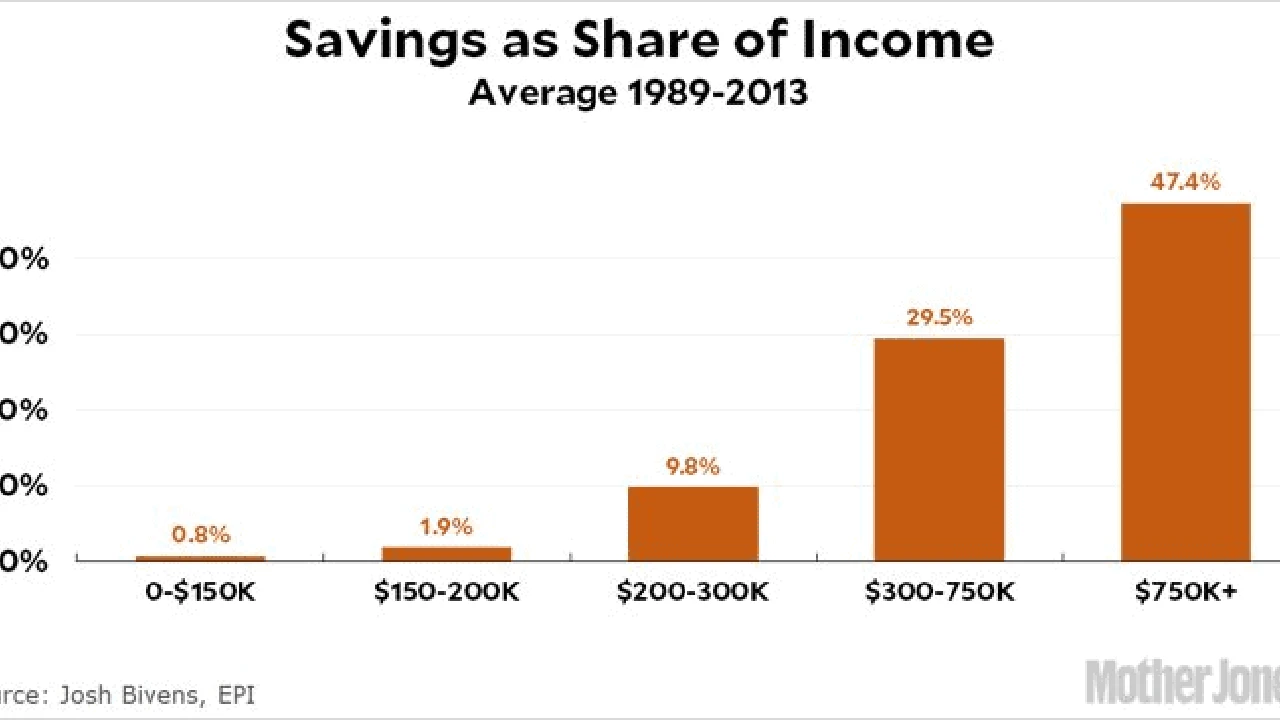
Tailor your savings approach based on your income level for optimal financial outcomes.
Comparing Savings Strategies for Different Income Levels
Hey there, money-savvy folks! Let's talk about something super important: saving money. It's not a one-size-fits-all kind of deal, right? What works for someone earning a six-figure salary might not be the best fit for someone just starting out or living on a tighter budget. That's why we're diving deep into comparing savings strategies tailored for different income levels. Whether you're a student, a young professional, or well into your career, there's a smart way for you to build up that financial cushion.
Understanding Your Income Bracket and Savings Potential
Before we get into the nitty-gritty, it's crucial to understand where you stand. Your income level isn't just a number; it dictates your disposable income, your ability to take on risk, and ultimately, your savings potential. We'll broadly categorize income levels into three groups for simplicity: lower income, middle income, and higher income. Keep in mind these are general guidelines, and your personal circumstances might shift you between categories.
Lower Income Savings Strategies: Building a Foundation
If you're in a lower income bracket, saving might feel like an uphill battle. But trust me, every single dollar counts, and building a savings habit now will pay off immensely in the long run. The key here is consistency and focusing on essential needs.
Budgeting Basics for Lower Income: Tracking Every Penny
For lower income earners, a meticulous budget is your best friend. You need to know exactly where your money is going. Forget fancy apps for a moment; a simple spreadsheet or even a notebook can work wonders. Categorize your expenses: housing, food, transportation, utilities, and then everything else. The goal is to identify areas where you can cut back, even if it's just a few dollars here and there.
Product Recommendation: Mint (Free Budgeting App)
Mint is a fantastic free app that connects to your bank accounts and credit cards, automatically categorizing your transactions. It helps you visualize your spending and set budget goals. While it has premium features, the free version is more than enough for robust budgeting. It's super user-friendly and great for getting a clear picture of your finances.
Emergency Fund for Lower Income: Starting Small, Staying Consistent
An emergency fund is non-negotiable, no matter your income. For lower income earners, start with a small, achievable goal, like $500 or $1,000. This isn't for a new gadget; it's for unexpected car repairs, medical emergencies, or a sudden job loss. Automate small transfers from your checking to a separate savings account right after you get paid. Even $10 or $20 a week adds up.
Product Recommendation: Ally Bank Online Savings Account
Ally Bank offers a high-yield online savings account with no monthly fees and no minimum balance requirements. This makes it perfect for starting small. Their interest rates are significantly higher than traditional brick-and-mortar banks, helping your money grow faster. Plus, it's easy to set up recurring transfers.
Debt Management for Lower Income: Prioritizing High-Interest Debt
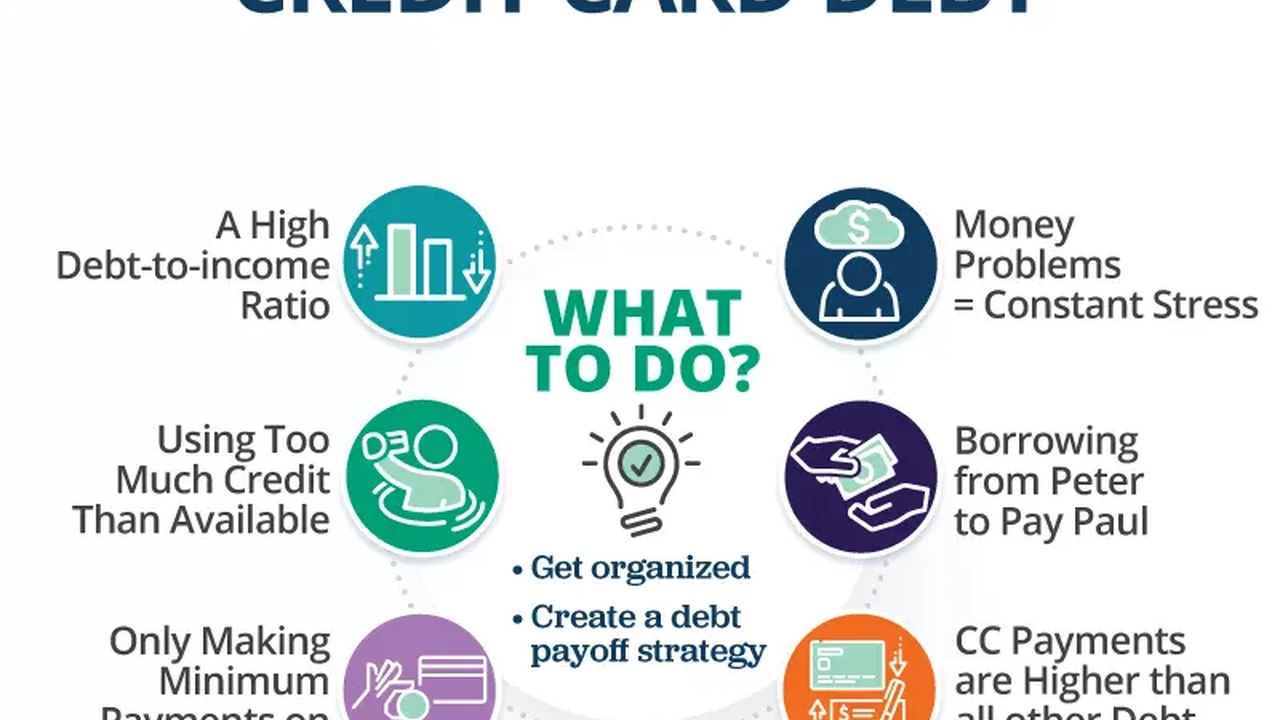
High-interest debt, like credit card debt or payday loans, can be a huge drain on limited income. Focus on paying these down aggressively. Consider the debt snowball or debt avalanche method. The debt snowball focuses on paying off the smallest debt first for psychological wins, while the debt avalanche tackles the highest interest rate debt first to save more money in the long run. Choose the one that motivates you most.
Product Recommendation: Tally (Debt Management App)
Tally is an app that helps you manage and pay down credit card debt. It can offer a lower-interest line of credit to consolidate your high-interest credit card balances, potentially saving you a lot of money on interest. It also automates payments, ensuring you never miss a due date. It's particularly useful if you have multiple credit cards.
Side Hustles and Income Generation for Lower Income: Boosting Your Earnings
Sometimes, cutting expenses isn't enough. Exploring side hustles can significantly boost your income and, consequently, your savings. Think about what skills you have: dog walking, babysitting, freelance writing, delivery services, or selling crafts online. Even a few extra hours a week can make a big difference.
Platform Recommendation: Fiverr or Upwork (Freelancing Platforms)
If you have marketable skills like writing, graphic design, web development, or even virtual assistance, platforms like Fiverr and Upwork can connect you with clients looking for your services. You set your own rates and hours, making it flexible for your schedule.
Middle Income Savings Strategies: Balancing Growth and Security
If you're in the middle income bracket, you likely have more disposable income, allowing you to focus on both building a solid emergency fund and starting to invest for future growth. The goal here is to optimize your savings and make your money work harder for you.
Automated Savings for Middle Income: Set It and Forget It
Automation is your best friend. Set up automatic transfers from your checking account to your savings and investment accounts every payday. This ensures you're consistently saving before you even have a chance to spend the money. Aim for at least 10-15% of your gross income, but more if you can manage it.
Product Recommendation: Capital One 360 Performance Savings
Similar to Ally, Capital One 360 offers a high-yield online savings account with no fees and competitive interest rates. It's easy to link to your existing checking account and set up recurring transfers. Their mobile app is also very user-friendly for tracking your progress.
Investing for Middle Income: Getting Started with Low-Cost Options
Once your emergency fund is solid (think 3-6 months of living expenses), it's time to start investing. Don't be intimidated! You don't need to be a stock market guru. Low-cost index funds and ETFs are excellent starting points for diversified growth.
Product Recommendation: Vanguard S&P 500 Index Fund (VOO ETF)
Vanguard is known for its low-cost index funds. The Vanguard S&P 500 ETF (VOO) tracks the performance of the S&P 500 index, giving you exposure to 500 of the largest US companies. It's a great way to get broad market exposure with minimal effort and very low expense ratios. You can buy this through most brokerage accounts.
Product Recommendation: Fidelity ZERO Total Market Index Fund (FZROX)
Fidelity offers a unique set of ZERO expense ratio index funds, meaning you pay absolutely no management fees. FZROX tracks the total US stock market, providing even broader diversification than the S&P 500. This is an incredible option for long-term growth and can be purchased directly through a Fidelity brokerage account.
Retirement Planning for Middle Income: Maxing Out Employer Contributions
If your employer offers a 401(k) or similar retirement plan, contribute at least enough to get the full employer match. This is essentially free money! Beyond that, consider contributing more to your 401(k) or opening a Roth IRA, which offers tax-free withdrawals in retirement.
Product Recommendation: Fidelity Go (Robo-Advisor for Retirement)
Fidelity Go is a robo-advisor that can help you set up and manage a diversified investment portfolio, including retirement accounts like IRAs. It's great for those who want a hands-off approach to investing. It has a low minimum to start and reasonable fees, making it accessible for middle-income earners.
Product Recommendation: Charles Schwab Intelligent Portfolios (Robo-Advisor)
Schwab Intelligent Portfolios offers automated investing with no advisory fees. They build and manage a diversified portfolio based on your goals and risk tolerance. This is a fantastic option for those looking for professional management without the high costs, suitable for both taxable and retirement accounts.
Optimizing Debt for Middle Income: Strategic Repayment
While you might have less high-interest debt than lower-income earners, you might have student loans or a mortgage. Focus on making extra payments on these debts if possible, especially those with higher interest rates. Refinancing student loans to a lower interest rate can also free up cash for savings.
Product Recommendation: SoFi (Student Loan Refinancing)
SoFi is a popular platform for refinancing student loans. They offer competitive interest rates and flexible repayment terms, which can significantly reduce your monthly payments or the total interest paid over the life of the loan. This can free up more money for your savings and investments.
Higher Income Savings Strategies: Wealth Accumulation and Optimization
For higher income earners, the focus shifts from just saving to wealth accumulation, tax optimization, and potentially more complex investment strategies. You have the capacity to save aggressively and explore diverse avenues for growth.
Maxing Out Retirement Accounts for Higher Income: Beyond the Basics
Beyond your employer's 401(k), consider maxing out other tax-advantaged accounts like a Roth IRA (if you qualify based on income limits, or use a backdoor Roth IRA strategy), a Health Savings Account (HSA) if you have a high-deductible health plan, and even a solo 401(k) if you have self-employment income. These accounts offer significant tax benefits and long-term growth potential.
Product Recommendation: Fidelity (Comprehensive Brokerage)
Fidelity offers a wide range of investment products and services, making it ideal for higher-income earners who want to manage multiple types of accounts (401k, IRA, HSA, taxable brokerage). Their platform is robust, offering extensive research tools and low-cost investment options.
Product Recommendation: Vanguard (Low-Cost Index Funds and ETFs)
Vanguard remains a top choice for higher-income earners due to its commitment to low-cost index funds and ETFs. Their institutional-class funds often have even lower expense ratios, making them highly efficient for large portfolios. You can hold all your various retirement and taxable accounts here.
Diversified Investment Portfolios for Higher Income: Beyond Stocks and Bonds
With higher income, you can explore more diversified investment opportunities beyond traditional stocks and bonds. This might include real estate, private equity, alternative investments, or even starting your own business. The goal is to spread your risk and tap into different growth engines.
Platform Recommendation: Fundrise (Real Estate Crowdfunding)
Fundrise allows you to invest in private real estate projects with relatively low minimums compared to direct property ownership. It's a way to diversify your portfolio into real estate without the hassle of being a landlord. They offer different investment plans based on your goals.
Platform Recommendation: Masterworks (Fractional Art Ownership)
For those looking for truly alternative investments, Masterworks allows you to invest in fractional shares of blue-chip art. Art can be a store of value and a hedge against inflation, and Masterworks makes it accessible to a broader range of investors. It's a more speculative investment but offers unique diversification.
Tax Optimization Strategies for Higher Income: Keeping More of Your Money
Tax planning becomes increasingly important as your income grows. Work with a financial advisor to explore strategies like tax-loss harvesting, charitable giving, and optimizing your investment locations (e.g., holding bonds in tax-advantaged accounts and growth stocks in taxable accounts). The goal is to minimize your tax burden legally and maximize your after-tax returns.
Service Recommendation: Personal Capital (Financial Planning & Wealth Management)
Personal Capital offers a free financial dashboard to track all your accounts, but their paid wealth management service is excellent for higher-income individuals. They provide personalized financial advice, tax optimization strategies, and investment management from human advisors. Their fees are competitive for the level of service provided.
Service Recommendation: Certified Financial Planner (CFP)
For comprehensive financial planning, seeking out a Certified Financial Planner (CFP) is highly recommended. They can help you with everything from retirement planning and investment strategy to estate planning and tax optimization. Look for fee-only CFPs to ensure their advice is unbiased.
Estate Planning for Higher Income: Securing Your Legacy
As your wealth grows, so does the importance of estate planning. This involves creating wills, trusts, and other legal documents to ensure your assets are distributed according to your wishes and to minimize estate taxes. It's about securing your legacy for future generations.
Service Recommendation: LegalZoom or Rocket Lawyer (Online Legal Services)
For basic estate planning documents like wills and powers of attorney, online services like LegalZoom and Rocket Lawyer can be a cost-effective starting point. However, for complex estates, consulting with an estate planning attorney is crucial.
Service Recommendation: Estate Planning Attorney
For higher-income individuals with complex assets, family dynamics, or specific legacy goals, working with a specialized estate planning attorney is essential. They can create sophisticated trusts and strategies to protect your assets and minimize taxes.
Key Takeaways for All Income Levels: Universal Savings Principles
No matter your income, some core principles apply to everyone. These are the bedrock of financial mastery.
Consistency is King: The Power of Regular Contributions
Whether it's $10 or $1,000, consistently putting money aside is more important than the amount itself. The habit of saving builds momentum and ensures you're always moving forward.
Live Below Your Means: The Foundation of Wealth
This is perhaps the most crucial principle. Spending less than you earn, regardless of your income, is the fundamental secret to building wealth. Avoid lifestyle creep as your income increases.
Educate Yourself: Your Best Investment
The more you learn about personal finance, investing, and money management, the better equipped you'll be to make smart decisions. Read books, listen to podcasts, follow reputable financial blogs. Your financial literacy is your most valuable asset.
Review and Adjust: Your Financial Check-Up
Life changes, and so should your financial plan. Regularly review your budget, savings goals, and investment performance. Adjust your strategies as your income, expenses, and life circumstances evolve.
So, there you have it! Saving money isn't about deprivation; it's about smart choices tailored to your unique situation. Start where you are, use the tools available, and keep learning. Your future self will thank you!
:max_bytes(150000):strip_icc()/277019-baked-pork-chops-with-cream-of-mushroom-soup-DDMFS-beauty-4x3-BG-7505-5762b731cf30447d9cbbbbbf387beafa.jpg)