How to Calculate Your Retirement Needs
Practical guidance on how to accurately calculate the amount of money you'll need for a comfortable retirement.

Practical guidance on how to accurately calculate the amount of money you'll need for a comfortable retirement.
How to Calculate Your Retirement Needs
Hey there, future retiree! Ever wonder how much money you'll actually need to live comfortably once you've hung up your work boots? It's a question that crosses everyone's mind, and honestly, it's one of the most crucial steps in planning for your golden years. Figuring out your retirement number isn't just about picking a random figure; it's about understanding your future lifestyle, expenses, and how long your money needs to last. Let's dive deep into how you can accurately calculate your retirement needs, looking at different approaches, tools, and even some specific products that can help you get there.
Understanding Your Retirement Lifestyle and Expenses
Before we even talk numbers, let's talk about you. What does your ideal retirement look like? Are you dreaming of globe-trotting adventures, or do you envision quiet days at home with a good book? Your lifestyle choices will heavily influence your expenses. Think about:
- Housing: Will you pay off your mortgage? Downsize? Move to a lower cost-of-living area?
- Healthcare: This is a big one. Healthcare costs tend to rise with age. Factor in Medicare premiums, deductibles, co-pays, and potential long-term care.
- Travel: If you plan to travel extensively, this will be a significant expense.
- Hobbies and Leisure: Golf, gardening, dining out, volunteering – what will fill your days?
- Transportation: Will you still own a car? Rely on public transport?
- Food: Your grocery bill might change, especially if you're eating out more or less.
- Utilities and Maintenance: These generally continue, though they might change with a new home.
- Gifts and Charity: Do you plan to support family or causes?
A good starting point is to estimate that you'll need about 70-80% of your pre-retirement income to maintain your current lifestyle. However, this is just a rule of thumb. A more personalized approach is always better.
The Income Replacement Ratio Method for Retirement Planning
The income replacement ratio is a common way to estimate your retirement income needs. As mentioned, many financial experts suggest aiming for 70-80% of your pre-retirement income. So, if you currently earn $100,000 a year, you might aim for $70,000 to $80,000 annually in retirement. This method assumes that some of your current expenses, like commuting costs, work-related clothing, and saving for retirement, will disappear or decrease. However, other expenses, like healthcare, might increase. It's a quick and easy way to get a ballpark figure, but it doesn't account for individual nuances.
The Expense-Based Method for Accurate Retirement Projections
This is where you get granular. The expense-based method involves creating a detailed budget for your retirement years. Start by tracking your current expenses for a few months. Then, project how these expenses might change in retirement. This method is more accurate because it's tailored to your specific situation. Here's how to do it:
- List Current Expenses: Categorize everything: housing, food, transportation, entertainment, healthcare, insurance, etc.
- Adjust for Retirement:
- Decrease: Commuting, work clothes, retirement savings contributions, possibly mortgage payments if paid off.
- Increase: Healthcare (often a significant jump), travel, new hobbies, leisure activities.
- Stay the Same: Utilities, food (though maybe different types of food), home maintenance.
- Factor in Inflation: This is crucial. What costs $100 today will cost more in 20 or 30 years. Use an average inflation rate (historically around 3%) to project future costs. Many online calculators do this automatically.
- Consider One-Time Expenses: Big trips, home renovations, or helping family members might be one-off costs you want to factor in.
Calculating Your Retirement Nest Egg Size
Once you have an estimated annual retirement expense, you need to figure out how big your nest egg needs to be to generate that income. A common rule of thumb here is the '4% Rule'.
The 4% Rule for Retirement Withdrawals
The 4% Rule suggests that you can safely withdraw 4% of your initial retirement portfolio balance each year, adjusted for inflation, without running out of money over a 30-year retirement period. So, if you need $80,000 per year in retirement income, you'd multiply that by 25 ($80,000 / 0.04 = $2,000,000). This means you'd need a $2 million nest egg. This rule is based on historical market returns and aims to provide a sustainable withdrawal rate. However, it's not foolproof and has its critics, especially in periods of low returns or high inflation.
Considering Your Retirement Time Horizon and Longevity
How long do you expect to be retired? This is a key factor. With increasing life expectancies, a 30-year retirement isn't uncommon. If you retire at 60, you might need your money to last until you're 90 or even 100. The longer your retirement, the larger your nest egg needs to be, or the lower your withdrawal rate should be.
Factoring in Other Income Sources for Retirement
Don't forget about other potential income streams that will supplement your savings:
- Social Security: This will likely be a significant portion for many. You can get an estimate of your benefits from the Social Security Administration.
- Pensions: If you're lucky enough to have a defined benefit pension, factor that in.
- Part-time Work: Many retirees choose to work part-time to supplement their income and stay active.
- Rental Income: If you own rental properties.
- Annuities: These can provide a guaranteed income stream.
Subtract these guaranteed income sources from your estimated annual expenses. The remaining amount is what your personal savings need to cover.
Tools and Calculators for Retirement Planning
You don't have to do all this math by hand! There are fantastic online tools and calculators that can help you project your retirement needs. Here are a few popular ones, along with their features and typical costs:
Fidelity Retirement Planner
Description: Fidelity offers a robust and comprehensive retirement planner that allows you to input detailed information about your current savings, income, expenses, and desired retirement lifestyle. It provides projections, helps you visualize different scenarios (e.g., retiring earlier, spending more), and suggests adjustments to your savings plan. It's particularly good for those who already have accounts with Fidelity, but it's accessible to everyone. Key Features: Goal setting, scenario analysis, inflation adjustments, integration with existing Fidelity accounts, detailed expense breakdown, and personalized recommendations. Use Case: Ideal for individuals who want a detailed, interactive planning experience and are comfortable with a slightly more complex interface. Great for seeing the impact of different decisions. Pricing: Free to use, even if you're not a Fidelity customer. They aim to attract new clients through these tools. Pros: Very comprehensive, highly customizable, excellent visualization. Cons: Can be a bit overwhelming for absolute beginners due to the level of detail.
Vanguard Retirement Nest Egg Calculator
Description: Vanguard's calculator is known for its simplicity and focus on the sustainability of your retirement withdrawals. You input your current savings, desired annual retirement income, and expected retirement duration, and it tells you the probability of your money lasting. It's based on historical market data and Monte Carlo simulations. Key Features: Probability of success, Monte Carlo simulations, easy-to-understand interface, focuses on withdrawal rates. Use Case: Best for those who want a quick, clear answer on whether their current savings and withdrawal plan are sustainable. Good for a reality check. Pricing: Free. Pros: Simple, clear, uses robust simulation methods. Cons: Less detailed on the expense planning side compared to Fidelity.
Personal Capital Retirement Planner
Description: Personal Capital offers a free financial dashboard that aggregates all your financial accounts (bank, investment, credit cards) in one place. Their retirement planner uses this aggregated data to provide a highly personalized projection. It considers your actual spending habits and investment performance. It also offers a 'What If' scenario tool. Key Features: Account aggregation, personalized projections based on real data, 'What If' scenarios, fee analyzer, investment checkup. Use Case: Excellent for those who want a holistic view of their finances and a retirement plan that's constantly updated with their real-time financial data. Great for active financial management. Pricing: Free for the basic tools and dashboard. They offer paid advisory services if you want human financial advice. Pros: Highly personalized, real-time data integration, comprehensive financial overview. Cons: Requires linking all your financial accounts, which some users might be hesitant about.
Bankrate Retirement Calculator
Description: Bankrate provides a straightforward retirement calculator that helps you determine how much you need to save each month to reach your retirement goal. You input your current age, retirement age, current savings, desired retirement income, and expected rate of return. Key Features: Monthly savings goal, simple input fields, quick results. Use Case: Ideal for beginners who want a quick estimate of how much they need to save regularly to hit their target. Good for setting immediate savings goals. Pricing: Free. Pros: Very easy to use, provides a clear monthly savings target. Cons: Less detailed than other options, doesn't account for complex scenarios.
Empower (formerly Personal Capital)
Description: Empower, which acquired Personal Capital, continues to offer a robust suite of free financial tools, including a comprehensive retirement planner. It integrates all your financial accounts to give you a real-time view of your net worth and retirement readiness. Their planner uses Monte Carlo simulations to project the probability of your retirement plan succeeding. Key Features: Net worth tracking, investment checkup, fee analyzer, retirement planner with Monte Carlo simulations, cash flow analysis. Use Case: For individuals who want a powerful, free tool to manage their entire financial life, including detailed retirement planning, with the option for professional advice. Pricing: Free for the digital tools. Paid for wealth management services. Pros: Extremely comprehensive, real-time data, strong analytical capabilities, user-friendly interface. Cons: Requires linking accounts, which might be a privacy concern for some.
Addressing Inflation and Healthcare Costs in Retirement
These two are often the biggest wildcards in retirement planning. Inflation erodes purchasing power over time. A dollar today won't buy as much in 20 years. Healthcare costs, especially, tend to outpace general inflation. It's not uncommon for a healthy couple retiring at 65 to need hundreds of thousands of dollars just for out-of-pocket healthcare expenses throughout retirement, even with Medicare.
When using calculators, ensure they factor in inflation. For healthcare, consider dedicated health savings accounts (HSAs) if you're eligible, as they offer a triple tax advantage for medical expenses. Also, research long-term care insurance, though it can be expensive, it might be a necessary consideration for some.
Adjusting Your Retirement Plan Over Time
Your retirement plan isn't a 'set it and forget it' kind of deal. Life happens! Market conditions change, your health might change, and your goals might evolve. It's crucial to review your retirement plan regularly, at least once a year. Adjust your savings rate, investment strategy, or even your retirement age if needed. The earlier you make adjustments, the less drastic they need to be.
Think of it like navigating a ship. You set a course, but you constantly check your position and adjust for winds and currents. Your retirement plan is the same. Stay flexible, stay informed, and keep steering towards that comfortable retirement you're dreaming of.
Common Pitfalls to Avoid in Retirement Calculations
While calculating your retirement needs, it's easy to fall into some common traps:
- Underestimating Longevity: People often underestimate how long they'll live, leading to insufficient savings.
- Ignoring Inflation: Not accounting for the rising cost of living can severely impact your purchasing power in retirement.
- Overlooking Healthcare Costs: This is a major expense that many people don't adequately plan for.
- Being Too Optimistic About Returns: Assuming consistently high investment returns can lead to a shortfall if the market underperforms.
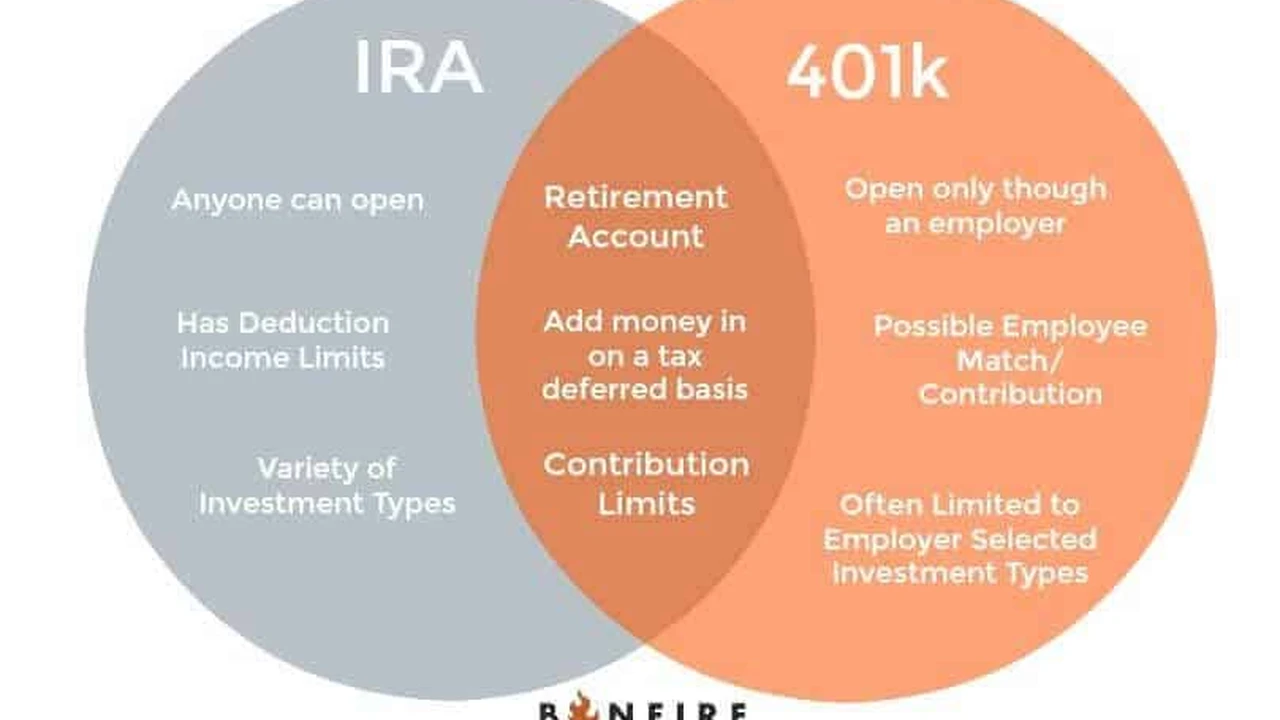
- Not Factoring in Taxes: Retirement withdrawals from traditional IRAs and 401(k)s are taxable income.
- Forgetting About Lifestyle Creep: As your income grows, your spending might too. Ensure your savings keep pace.
By being aware of these pitfalls, you can create a more realistic and robust retirement plan.
Getting Professional Help for Retirement Planning
If all this seems overwhelming, or if your financial situation is complex, don't hesitate to seek professional help. A certified financial planner (CFP) can provide personalized advice, help you create a detailed plan, and guide you through the investment process. They can also help you navigate tax implications and estate planning. While there's a cost involved, the peace of mind and potential for better outcomes can be well worth the investment.
Ultimately, calculating your retirement needs is an ongoing process. It requires introspection, research, and regular review. But by taking the time to understand your future expenses, leveraging available tools, and staying disciplined with your savings, you can build a solid foundation for a comfortable and fulfilling retirement. You got this!
:max_bytes(150000):strip_icc()/277019-baked-pork-chops-with-cream-of-mushroom-soup-DDMFS-beauty-4x3-BG-7505-5762b731cf30447d9cbbbbbf387beafa.jpg)